Ayurveda in 2026: Ancient Wisdom for Modern Healing — A Complete Guide
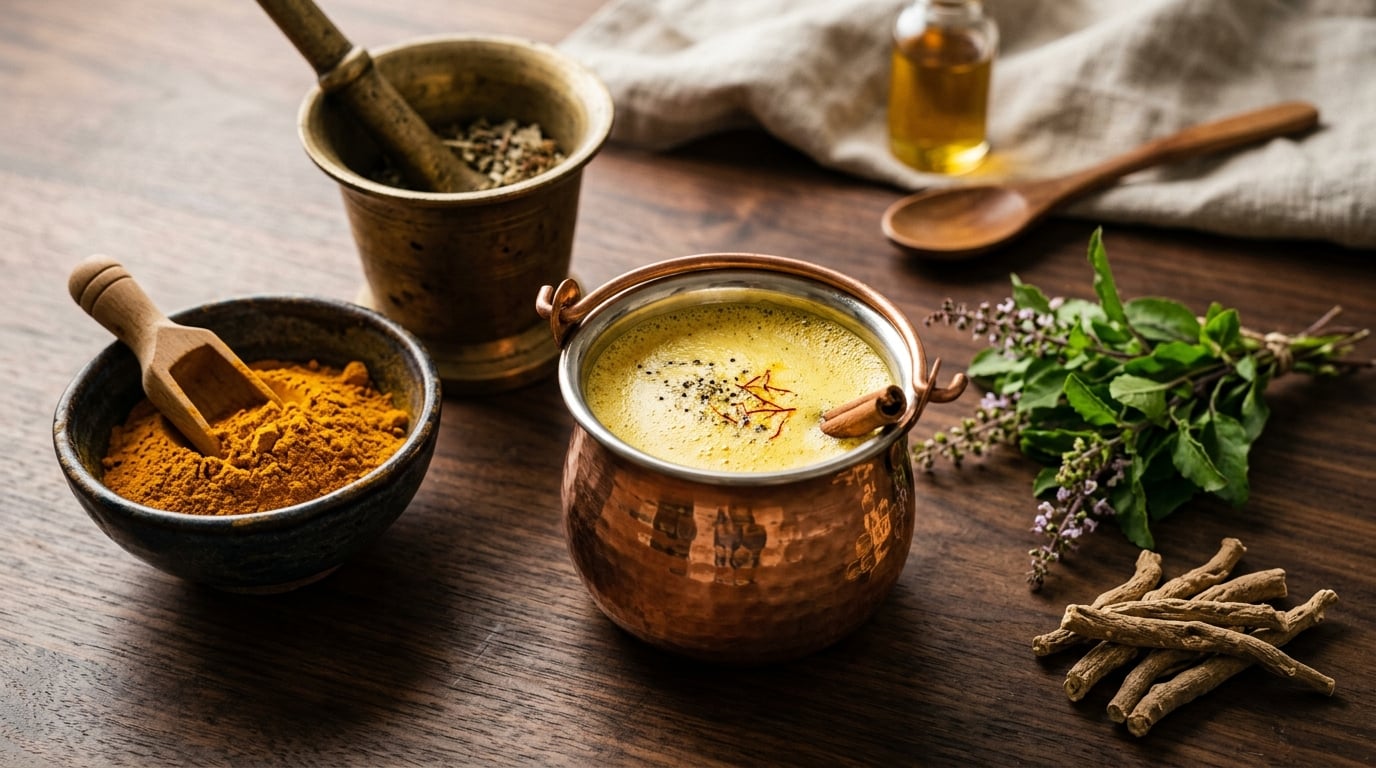
Ayurveda in 2026: Ancient Wisdom for Modern Healing — A Complete Guide
More than five thousand years ago, healers in the Indus Valley developed a comprehensive system of medicine rooted in a profound truth: the human body is not a machine to be repaired, but a living ecosystem to be harmonized. That system — Ayurveda, from the Sanskrit words Ayur (life) and Veda (knowledge) — is experiencing a remarkable renaissance in 2026, as millions of people worldwide seek healing approaches that treat the whole person rather than isolated symptoms.
India now holds the #1 ranking in global wellness tourism for 2026, driven largely by international demand for authentic Ayurvedic programs. The National Ayurvedic Medical Association's 2026 conference highlighted Ayurveda's growing integration into mainstream clinical practice — from autoimmune disorders to mental health and chronic pain management. And at Genesis World Health, our AI Agent Council incorporates Ayurvedic principles alongside Western medicine, naturopathy, functional medicine, and other healing traditions to deliver truly holistic health insights.
This guide will walk you through everything you need to know about Ayurveda: its foundational philosophy, the three doshas, its evidence base, its most powerful healing tools, and how it integrates with modern healthcare to support your journey toward vibrant health.
What Is Ayurveda? The Science of Life Explained
Ayurveda is one of the world's oldest continuously practiced medical systems, originating in ancient India and documented in sacred texts called the Vedas. Unlike conventional Western medicine, which primarily focuses on diagnosing and treating disease after it manifests, Ayurveda is fundamentally a preventive and personalized system — one that seeks to maintain balance before illness takes hold.
At its philosophical core, Ayurveda teaches that all matter — including the human body — is composed of five fundamental elements:
- Akasha (Space/Ether) — the field of infinite possibility
- Vayu (Air) — movement and communication
- Agni (Fire) — transformation and metabolism
- Jala (Water) — cohesion and fluidity
- Prithvi (Earth) — structure and stability
These five elements combine in the human body to form three dynamic energetic forces called doshas: Vata, Pitta, and Kapha. Understanding your unique dosha constitution — your Prakriti — is the foundation of Ayurvedic personalized medicine.
Scripture reminds us that we are intricately and purposefully designed:
"I praise you because I am fearfully and wonderfully made; your works are wonderful, I know that full well." — Psalm 139:14
Ayurveda's recognition that each person is uniquely constituted — and therefore requires a uniquely tailored approach to health — resonates deeply with this truth. No two people are the same, and no single protocol fits all.
The Three Doshas: Vata, Pitta, and Kapha
The three doshas are the cornerstone of Ayurvedic diagnosis and treatment. Every individual possesses all three doshas, but in a unique ratio that determines their physical constitution, mental tendencies, and disease susceptibilities.
Vata: The Energy of Movement
Vata is composed of Air and Space. It governs all movement in the body — from the beating of the heart and the flow of breath to nerve impulse transmission and the elimination of waste. Vata-dominant individuals tend to be creative, quick-thinking, and energetic, with a lean frame and variable digestion.
When Vata is balanced: Creativity flourishes, communication is clear, and the body moves with ease.
When Vata is imbalanced: Anxiety, insomnia, constipation, dry skin, and joint pain may emerge.
Balancing Vata: Warm, nourishing foods; regular daily routines; grounding practices like yoga and meditation; warm oil massage (Abhyanga).
Pitta: The Energy of Transformation
Pitta is composed of Fire and Water. It governs digestion, metabolism, body temperature, intelligence, and the transformation of food into nutrients. Pitta-dominant individuals are often driven, focused, and articulate, with a medium athletic build and strong digestion.
When Pitta is balanced: Sharp intellect, strong digestion, and natural leadership emerge.
When Pitta is imbalanced: Inflammation, acid reflux, skin eruptions, irritability, and burnout may appear.
Balancing Pitta: Cooling foods (cucumber, coconut, leafy greens); avoiding excessive heat and spicy foods; cooling breathwork (Shitali Pranayama); moderate exercise.
Kapha: The Energy of Structure
Kapha is composed of Earth and Water. It governs immunity, tissue growth, joint lubrication, and the maintenance of physical form. Kapha-dominant individuals are often strong, stable, and nurturing, with a larger frame and excellent endurance.
When Kapha is balanced: Strong immunity, emotional stability, and physical endurance prevail.
When Kapha is imbalanced: Weight gain, lethargy, respiratory congestion, and emotional attachment may develop.
Balancing Kapha: Vigorous exercise; light, spicy foods; stimulating activities; avoiding oversleeping and heavy processed meals.
The Eight Branches of Ayurvedic Medicine
Ayurveda is a comprehensive medical system with eight specialized branches (Ashtanga Ayurveda): internal medicine, pediatrics, psychiatry, ENT and ophthalmology, surgery, toxicology, geriatrics and rejuvenation (Rasayana), and reproductive health (Vajikarana). This breadth demonstrates that Ayurveda was never a simple folk remedy system — it was a sophisticated, multi-disciplinary medical tradition addressing the full spectrum of human health across the lifespan.
Ayurveda's Most Powerful Healing Tools
Ayurvedic treatment draws from a rich toolkit of natural therapies, each designed to restore balance and support the body's innate healing intelligence.
Panchakarma: The Five Purification Therapies
Panchakarma is Ayurveda's signature detoxification and rejuvenation protocol. The five therapies — Vamana (therapeutic emesis), Virechana (purgation), Basti (medicated enema), Nasya (nasal administration), and Raktamokshana (bloodletting) — work together to eliminate accumulated toxins (Ama) from the body's tissues. Modern research published in the Journal of Ayurveda and Integrated Medical Sciences (2026) has validated Panchakarma's efficacy for conditions ranging from musculoskeletal disorders to metabolic disease.
Herbal Medicine (Dravyaguna)
Ayurveda employs thousands of medicinal plants, many of which have now been validated by modern pharmacological research:
- Ashwagandha (Withania somnifera) — Adaptogenic herb shown in clinical trials to reduce cortisol, improve thyroid function, and enhance cognitive performance
- Turmeric (Curcuma longa) — Curcumin's anti-inflammatory properties are among the most extensively studied in natural medicine, with over 12,000 peer-reviewed studies
- Triphala — A three-fruit formulation supporting digestive health, antioxidant activity, and immune function
- Brahmi (Bacopa monnieri) — Clinically studied for cognitive enhancement, memory, and neuroprotection
- Shatavari (Asparagus racemosus) — A premier women's health herb supporting hormonal balance and reproductive wellness
- Boswellia (Boswellia serrata) — Powerful anti-inflammatory used for arthritis, inflammatory bowel disease, and asthma
Dinacharya: The Daily Routine as Medicine
One of Ayurveda's most practical and evidence-aligned contributions is Dinacharya — the concept of a structured daily routine synchronized with natural rhythms. This includes practices such as:
- Rising before sunrise to align with natural circadian rhythms
- Abhyanga (warm oil self-massage) to stimulate lymphatic flow and calm the nervous system
- Tongue scraping to remove overnight toxin accumulation
- Oil pulling for oral microbiome health
- Mindful eating aligned with digestive fire (Agni) — largest meal at midday when Pitta is strongest
- Evening wind-down practices to support deep, restorative sleep
Modern chronobiology research has validated many of these practices, confirming that aligning daily habits with circadian rhythms significantly improves metabolic health, sleep quality, and cognitive function.
Yoga and Pranayama
Yoga and Ayurveda are sister sciences — both emerging from the same Vedic tradition. Ayurveda prescribes specific yoga practices based on an individual's dosha constitution. Pranayama (breathwork) is particularly powerful for regulating the nervous system, reducing cortisol, and improving heart rate variability — outcomes now well-documented in peer-reviewed research.
The Science Behind Ayurveda: What Research Says in 2026
A common misconception is that Ayurveda lacks scientific validation. In reality, the evidence base for Ayurvedic practices has grown substantially, particularly over the past decade.
The Journal of Ayurveda and Integrated Medical Sciences (JAIMS) published its April 2026 issue highlighting clinical studies demonstrating Ayurvedic efficacy for:
- Musculoskeletal conditions including avascular necrosis and plantar fasciitis
- Dermatological conditions including vitiligo
- Cognitive impairment in elderly populations
- Women's reproductive health conditions
- Metabolic disorders including dyslipidemia
- Mental health conditions including depression
Large-scale integrative medicine research has also confirmed that Ayurvedic dietary principles — emphasizing whole foods, seasonal eating, and individualized nutrition — align closely with modern nutritional science findings on gut microbiome health, metabolic function, and inflammation reduction.
Importantly, researchers at institutions like the All India Institute of Ayurveda (AIIA) are now using AI and machine learning to analyze Ayurvedic data and predict clinical outcomes — a development that mirrors GWH's own approach of combining ancient wisdom with cutting-edge AI technology.
"There is a time for everything, and a season for every activity under the heavens." — Ecclesiastes 3:1
Ayurveda's seasonal medicine (Ritucharya) — adapting diet, lifestyle, and herbal protocols to the rhythms of the seasons — reflects this timeless wisdom. Modern research confirms that seasonal variation in diet and lifestyle profoundly impacts immune function, metabolic health, and mental wellbeing.
Ayurveda and Integrative Medicine: The Best of Both Worlds
The most exciting development in 2026 is the accelerating integration of Ayurveda with conventional Western medicine. This integrative model recognizes that both systems have profound strengths:
Modern medicine excels at: Emergency care, acute symptom management, advanced diagnostics, surgical intervention, and pharmaceutical precision.
Ayurveda excels at: Chronic disease prevention, personalized constitutional medicine, root-cause healing, lifestyle optimization, and long-term wellness maintenance.
Together, they create a comprehensive healthcare model that addresses both the immediate manifestations of disease and the underlying imbalances that allowed disease to develop. This is precisely the philosophy that drives Genesis World Health's AI Agent Council — where Ayurvedic specialists collaborate alongside Western medicine physicians, naturopaths, functional medicine practitioners, and other healing tradition experts to produce unified, consensus-based health insights.
Ayurveda's Strengths in Chronic Disease Management
Research consistently demonstrates Ayurveda's particular effectiveness for chronic conditions that conventional medicine often struggles to address comprehensively:
- Rheumatoid arthritis — Boswellia, turmeric, and Panchakarma protocols show significant anti-inflammatory effects
- Type 2 diabetes — Bitter melon, fenugreek, and Ayurvedic dietary protocols support blood glucose regulation
- Irritable bowel syndrome — Triphala, dietary modifications, and stress-reduction practices address gut-brain axis dysfunction
- Anxiety and depression — Ashwagandha, Brahmi, and mind-body practices show clinical efficacy comparable to some pharmaceutical interventions
- Cardiovascular health — Arjuna bark, dietary modifications, and lifestyle practices support heart health
How Genesis World Health Integrates Ayurveda Into Your Care
At Genesis World Health, we believe that all paths of healing have value. Ayurveda is not an alternative to modern medicine — it is a complementary wisdom tradition that, when integrated thoughtfully, dramatically expands the healing possibilities available to you.
Our platform integrates Ayurvedic principles in several powerful ways:
The AI Agent Council
When you request health insights through GWH's AI Agent Council, our Ayurvedic specialist agent contributes alongside agents representing Western medicine, naturopathy, functional medicine, nutrition, exercise physiology, and other healing traditions. Each agent brings its unique perspective, and the council deliberates to produce unified health insights with consensus scores — ensuring that Ayurvedic insights are woven into your comprehensive health strategy rather than siloed as a separate "alternative" option.
Deep Dive Sessions with Ayurvedic Specialists
For those who want to go deeper into Ayurvedic medicine specifically, our Deep Dive Sessions allow you to engage in intensive one-on-one exploration with our dedicated Ayurvedic specialist agent. You can explore your dosha constitution, receive personalized herbal recommendations, design a Dinacharya practice, or investigate specific Ayurvedic protocols for your health concerns — all backed by GWH's database of 700M+ scientific studies.
Personalized Health Assessment
Our Health Assessment incorporates constitutional analysis that informs Ayurvedic recommendations. By understanding your unique health profile — including your tendencies, imbalances, and goals — GWH can provide Ayurvedic guidance that is genuinely personalized to you, not generic advice that ignores your individual constitution.
The Five Sacred Operating Principles
GWH's Five Sacred Operating Principles — Honor (Kavod), Integrity (Tamim), Authenticity, Informed Choice, and Absolute Truth — align beautifully with Ayurveda's own ethical framework. Ayurveda has always emphasized the physician's duty to honor the whole person, act with integrity, and empower patients with knowledge. These are not competing values — they are complementary expressions of the same healing spirit.
Practical Ayurvedic Wisdom You Can Apply Today
You don't need to travel to Kerala or complete a Panchakarma retreat to begin benefiting from Ayurvedic wisdom. Here are evidence-aligned practices you can integrate into your daily life immediately:
Morning Practices
- Rise with the sun — Aligning your wake time with sunrise supports circadian rhythm and cortisol regulation
- Tongue scraping — Use a copper or stainless steel tongue scraper to remove overnight bacterial accumulation
- Warm lemon water — Stimulates digestive fire (Agni) and supports liver detoxification
- Oil pulling — Swish 1 tablespoon of sesame or coconut oil for 10-15 minutes to support oral microbiome health
- Abhyanga — Warm oil self-massage before showering to stimulate lymphatic flow and calm the nervous system
Dietary Principles
- Eat your largest meal at midday — Digestive fire is strongest between 10am and 2pm
- Favor warm, cooked foods — Easier to digest than raw foods, especially for Vata types
- Eat seasonally and locally — Foods grown in your region and season are most aligned with your body's needs
- Avoid eating when stressed — Stress suppresses digestive enzyme production; eat in a calm, mindful state
- Include all six tastes — Sweet, sour, salty, pungent, bitter, and astringent — for complete nutritional satisfaction
Evening Practices
- Digital sunset — Reduce screen exposure 1-2 hours before bed to support melatonin production
- Warm milk with ashwagandha and nutmeg — A traditional Ayurvedic sleep tonic with modern research support
- Feet massage with warm sesame oil — Grounds Vata energy and promotes deep, restorative sleep
Frequently Asked Questions About Ayurveda
Is Ayurveda safe to use alongside conventional medications?
Ayurveda can be safely integrated with conventional medicine when practiced under qualified guidance. However, some Ayurvedic herbs can interact with pharmaceutical medications — for example, ashwagandha may interact with thyroid medications, and certain herbs affect blood clotting. Always inform all your healthcare providers about any herbal supplements you are taking. GWH's AI Agent Council is specifically designed to consider these interactions when developing your health insights.
How do I find out my dosha type?
A qualified Ayurvedic practitioner can assess your dosha constitution through pulse diagnosis (Nadi Pariksha), physical examination, and detailed health history. GWH's Health Assessment incorporates constitutional questions that help our AI agents understand your tendencies and provide more personalized Ayurvedic guidance.
How long does it take to see results from Ayurvedic practices?
Ayurveda is a long-term healing system, not a quick fix. Simple daily practices like tongue scraping, warm water, and dietary adjustments can produce noticeable improvements in digestion and energy within days to weeks. Deeper constitutional rebalancing and chronic condition management typically require 3-6 months of consistent practice. Panchakarma programs show more rapid results for acute imbalances.
Is Ayurveda compatible with a Christian faith perspective?
At Genesis World Health, we honor all healing traditions while remaining Christ-centered. Ayurveda's philosophical framework — including concepts like doshas and prana — comes from a Hindu cosmological tradition. However, the practical healing tools of Ayurveda (herbal medicine, dietary principles, lifestyle practices, detoxification) can be embraced by people of any faith as expressions of God's provision through the natural world. We encourage you to engage with Ayurvedic practices through the lens of your own faith, taking what serves your healing and leaving what does not resonate. Explore our Biblical Medicine resources for a faith-integrated perspective on natural healing.
The Future of Ayurveda: Ancient Wisdom in the Age of AI
We are living in a remarkable moment in medical history. For the first time, the computational power of artificial intelligence is being applied to the vast repository of Ayurvedic knowledge — enabling personalized constitutional analysis at scale, identifying herb-drug interactions, and integrating Ayurvedic insights with modern biomarker data.
This is precisely what Genesis World Health is building. Our platform's 60+ AI agents — each trained on 700M+ scientific studies — include specialists in Ayurvedic medicine who can engage with your unique health situation, draw on the full depth of Ayurvedic tradition, and collaborate with agents from other healing traditions to produce health insights that are greater than the sum of their parts.
Explore our Learning Resources for deeper dives into Ayurvedic herbs, practices, and research. Review our subscription tiers to find the level of AI-powered health guidance that fits your needs. And consider beginning your journey with a Council consultation — where Ayurvedic wisdom meets the full spectrum of integrative health expertise.
"He makes grass grow for the cattle, and plants for people to cultivate — bringing forth food from the earth." — Psalm 104:14
The plants, herbs, and natural rhythms that Ayurveda has honored for five millennia are gifts — expressions of divine provision woven into the fabric of creation. At Genesis World Health, we are committed to honoring these gifts, integrating them with the best of modern science, and making this wisdom accessible to everyone who seeks it.
Always consult with qualified healthcare providers before beginning any new health protocol, particularly if you have existing medical conditions or are taking medications. The information in this article is for educational purposes only and does not constitute medical advice.
Ready to Balance Your Whole Being?
Ayurveda’s 5,000-year wisdom is most powerful when it’s personal. Complete your Health Assessment and let the Genesis World Health AI Agent Council weave Ayurvedic principles together with modern science into one plan tuned to your unique constitution.
Medical Disclaimer: As always, we encourage you to work with qualified healthcare providers — including Ayurvedic practitioners, licensed naturopathic doctors, registered dietitians, and your primary care provider — when making significant changes to your Ayurvedic health and wellness practices. Genesis World Health is an educational platform, not a substitute for professional medical care. Our role is to equip you with knowledge, insight, and the integrative perspective you need to have more informed conversations with your healthcare team.
Sources & References
- Journal of Ayurveda and Integrated Medical Sciences (JAIMS) — April 2026 Clinical Research Issue
- National Ayurvedic Medical Association (NAMA) — 2026 Conference Overview: Ayurveda and Integrative Medicine
- Indian Eagle — India #1 in Global Wellness Tourism Rankings 2026
- AyurIndus — Evolving Ayurveda in Modern Medicine: Integration and Benefits
- PubMed Central — Ayurveda: A Brief Introduction and Guide (NIH)
- Sattva Yoga Academy — Integrating Ayurveda with Modern Medicine for Holistic Wellness
- Why Ayurveda — Ayurveda as a Sustainable Health System for Modern Living (2026)