A Beginner's Guide to Holistic Detoxification
Understanding Detoxification
The word "detox" has been overused and oversimplified by the wellness industry. But the science of detoxification — how the body processes and eliminates toxins — is real, important, and increasingly relevant in our modern world. The average person is exposed to hundreds of synthetic chemicals daily through food, water, air, and personal care products.
“Therefore, I urge you, brothers and sisters, in view of God's mercy, to offer your bodies as a living sacrifice, holy and pleasing to God — this is your true and proper worship.” — Romans 12:1
Your Body's Detox Systems
The human body has sophisticated detoxification systems that work continuously:
The Liver: Your Master Detoxifier
The liver processes toxins through two phases. Phase I (oxidation via cytochrome P450 enzymes) converts fat-soluble toxins into intermediate compounds. Phase II (conjugation) attaches molecules to these intermediates, making them water-soluble for elimination.
The Kidneys
Filter approximately 200 quarts of blood daily, removing waste products and excess substances through urine.
The Gut
The intestinal barrier and beneficial bacteria play crucial roles in binding and eliminating toxins. A healthy microbiome is essential for effective detoxification.
The Lymphatic System
This network of tissues and organs helps rid the body of waste, toxins, and other unwanted materials through lymph fluid.
Evidence-Based Detox Strategies
1. Reduce Incoming Toxins
- Choose organic produce when possible (especially the "Dirty Dozen")
- Filter your drinking water (reverse osmosis or activated carbon)
- Switch to non-toxic personal care and cleaning products
- Minimize processed food consumption
2. Support Phase I & II Liver Detox
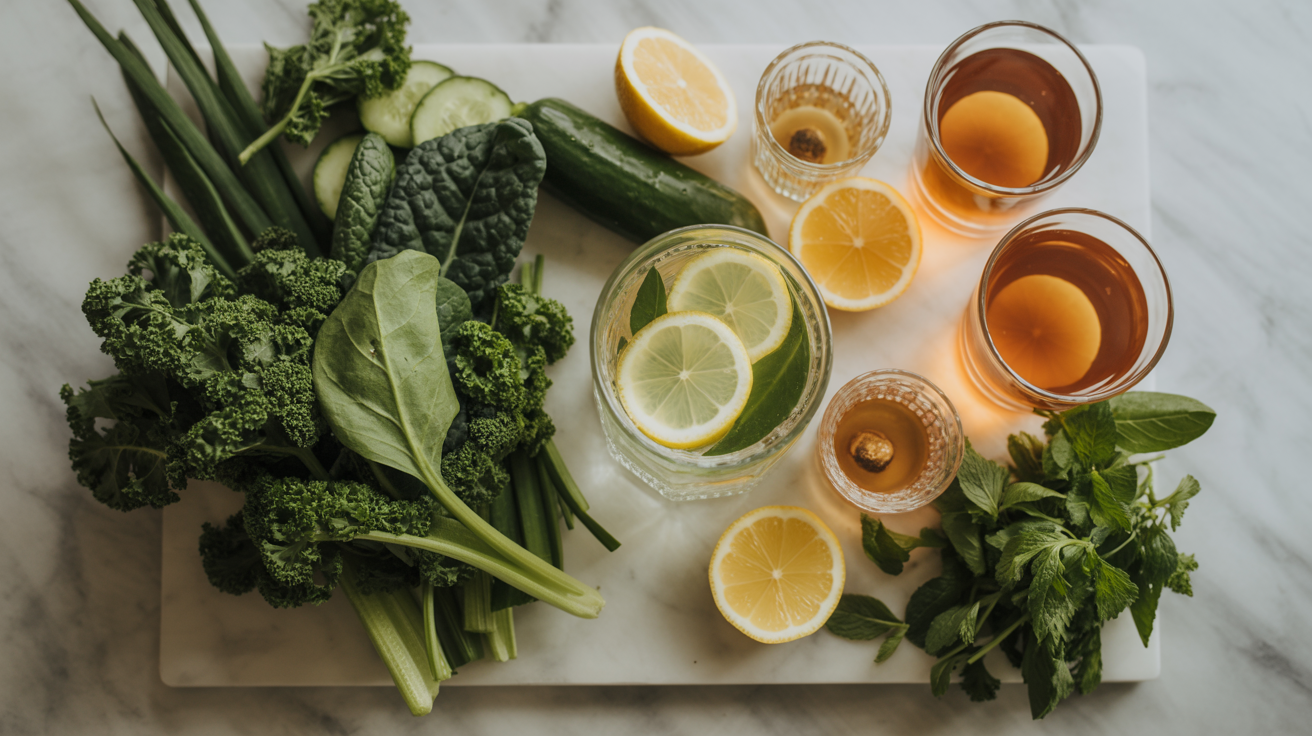
- Cruciferous Vegetables: Broccoli, Cauliflower, Kale contain sulforaphane and indole-3-carbinol
- Milk thistle: (silymarin) is well-studied for liver protection
- N-acetyl cysteine (NAC): supports glutathione production
- Turmeric: supports both Phase I and Phase II detoxification pathways
3. Stay Hydrated
Adequate water intake (half your body weight in ounces daily) is essential for kidney function and toxin elimination. Adding lemon can provide additional liver support through d-limonene.
4. Move Your Body
Exercise stimulates lymphatic circulation, promotes sweating, and enhances liver blood flow. Even 30 minutes of moderate activity daily makes a significant difference.
5. Support Your Gut
Fiber binds to toxins in the intestines and promotes regular elimination. Aim for 30+ grams daily from diverse plant sources. Fermented foods support beneficial bacteria.
What to Avoid
Be cautious of extreme "detox" protocols that promise rapid results. Extended juice fasts, harsh herbal purges, and unregulated supplements can actually stress the body. True detoxification is a gentle, ongoing process — not a weekend event.
Our Detoxification specialist AI agent can create a personalized, evidence-based detox protocol tailored to your health status and goals.
Ready to Support Your Body’s Natural Detox?
Your body was designed to detoxify itself — it just needs the right support. Complete your Health Assessment and let the Genesis World Health AI Agent Council build a safe, evidence-based plan to strengthen your liver, gut, and elimination pathways the whole-person way.
Medical Disclaimer: As always, we encourage you to work with qualified healthcare providers — including licensed naturopathic doctors, integrative medicine physicians, registered dietitians, and your primary care provider — when making significant changes to your holistic detoxification plan. Genesis World Health is an educational platform, not a substitute for professional medical care. Our role is to equip you with knowledge, insight, and the integrative perspective you need to have more informed conversations with your healthcare team.
Sources & References
- Liska, D.J. (1998). "The detoxification enzyme systems." Alternative Medicine Review, 3(3), 187–198. PubMed
- Hodges, R.E. & Minich, D.M. (2015). "Modulation of Metabolic Detoxification Pathways Using Foods and Food-Derived Components." Journal of Nutrition and Metabolism, 2015, 760689. PubMed Central
- Sears, M.E., Kerr, K.J. & Bray, R.I. (2012). "Arsenic, Cadmium, Lead, and Mercury in Sweat: A Systematic Review." Journal of Environmental and Public Health, 2012, 184745. PubMed Central
- Abenavoli, L., et al. (2018). "Milk thistle (Silybum marianum): A concise overview on its chemistry, pharmacological, and nutraceutical uses in liver diseases." Phytotherapy Research, 32(11), 2202–2213. DOI
- Minich, D.M. & Brown, B.I. (2019). "A Review of Dietary (Phyto)Nutrients for Glutathione Support." Nutrients, 11(9), 2073. PubMed Central
- Genuis, S.J., et al. (2011). "Blood, Urine, and Sweat (BUS) Study: Monitoring and Elimination of Bioaccumulated Toxic Elements." Archives of Environmental Contamination and Toxicology, 61(2), 344–357. DOI