Epigenetic Nutrition: How the Foods You Eat Speak to Your Genes
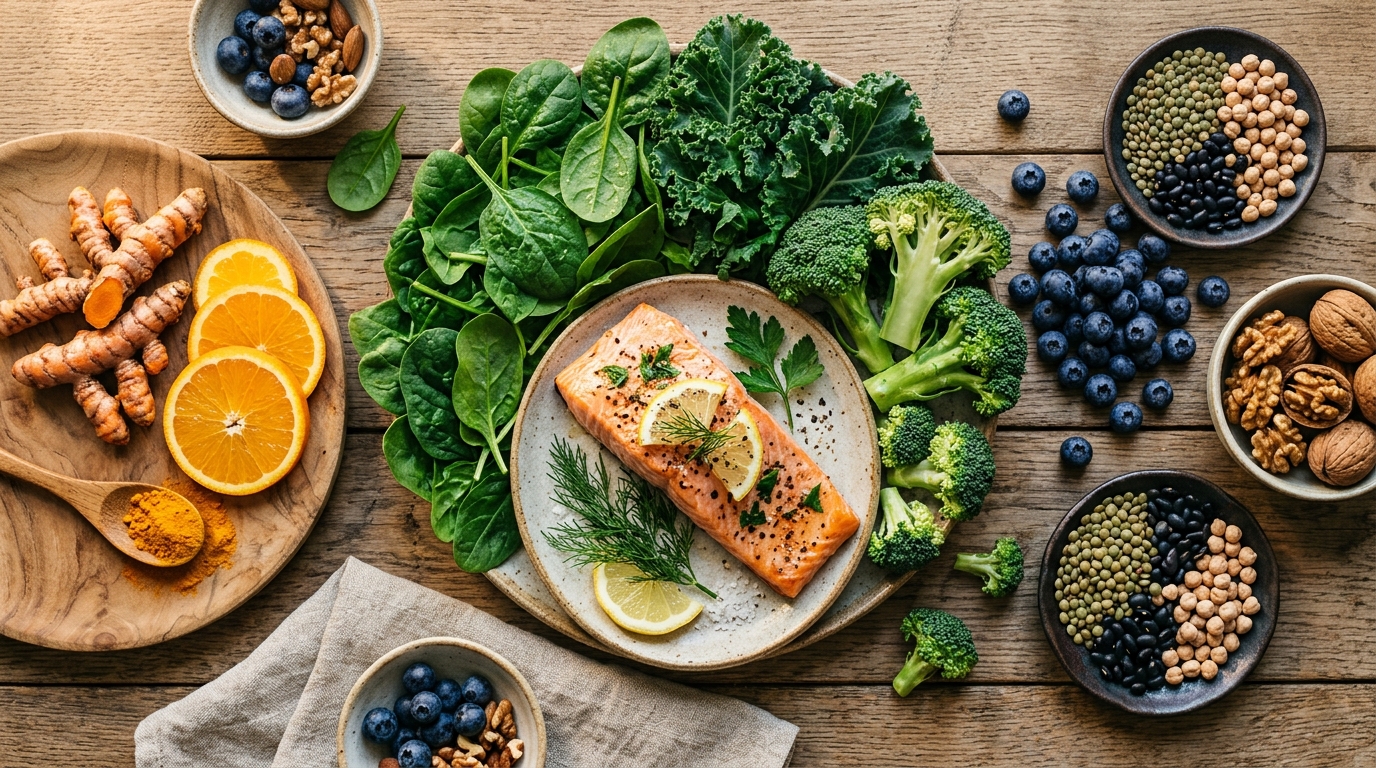
What if every meal you eat is a conversation with your DNA? Not a metaphor — a literal, biochemical dialogue happening trillions of times a day inside every cell of your body. Emerging science in the field of nutrigenomics and epigenetic nutrition confirms what ancient wisdom has long suggested: the foods you choose are among the most powerful signals your body receives, capable of switching genes on or off, calming inflammation, and even influencing how your children's bodies will function.
This is not genetic determinism. Your DNA sequence — the inherited blueprint you were born with — does not change based on what you eat. But how that blueprint is read changes constantly. And diet is one of the most potent regulators of that reading process.
For those of us who view the body as a sacred gift — a temple of the Holy Spirit — this science carries profound spiritual weight. Caring for our bodies through intentional, nourishing food is not merely a health strategy. It is an act of stewardship, wisdom, and worship.
"Do you not know that your bodies are temples of the Holy Spirit, who is in you, whom you have received from God? You are not your own; you were bought at a price. Therefore honor God with your bodies." — 1 Corinthians 6:19-20
What Is Epigenetics — and Why Does Your Fork Matter?
Epigenetics refers to changes in gene expression that occur without altering the underlying DNA sequence. Think of your genome as a vast library of books. Epigenetic marks are like sticky notes, bookmarks, and highlighters — they determine which books get read, how often, and how loudly. Your DNA stays the same; the annotations change.
Two primary mechanisms drive dietary epigenetics:
- DNA methylation: A methyl group (a small chemical tag) attaches to DNA, typically silencing a gene. This process depends on nutrients called methyl donors — including folate, choline, betaine, and B vitamins — that maintain the cellular pool of S-adenosylmethionine (SAM), the universal substrate for methylation reactions.
- Histone modification: DNA is wrapped around proteins called histones. When histones are acetylated (have acetyl groups added), the DNA loosens and genes become more accessible. When histones are deacetylated, genes are silenced. Enzymes called HDACs (histone deacetylases) remove acetyl groups — and several dietary compounds are potent HDAC inhibitors, effectively keeping beneficial genes switched on.
A third layer — non-coding RNA, including microRNA — also participates in dietary gene regulation, though the research here is still maturing. The bottom line: food does not rewrite the genetic text, but it powerfully influences which sentences are read, and how loudly.
The Most Powerful Epigenetic Foods on Your Plate
Research has identified a core group of dietary compounds with well-characterized epigenetic effects. These are not exotic supplements — they are whole foods available at any grocery store.
Cruciferous Vegetables and Sulforaphane
Broccoli, Brussels sprouts, kale, and cabbage contain a compound called sulforaphane, one of the best-documented dietary HDAC inhibitors. Studies show sulforaphane can reduce methylation of the Nrf2 gene promoter — effectively turning up the body's master antioxidant defense system. It has also been shown to lower expression of DNMT1 and DNMT3B, enzymes that add silencing methyl tags to DNA. The practical implication: eating cruciferous vegetables regularly may help keep cancer-suppressor genes and cellular defense genes actively expressed.
Fiber and the Butyrate Connection
This may be the single most actionable epigenetic lever available to you. When you eat dietary fiber — from vegetables, legumes, whole grains, and fruits — your gut bacteria ferment it and produce butyrate, a short-chain fatty acid that serves as the preferred energy source for colon cells and a potent HDAC inhibitor. Butyrate regulates genes governing cell cycle control, gut barrier integrity, inflammation, and immune tolerance.
The fiber–microbiome–butyrate axis is where gut health and epigenetics converge. A diverse, fiber-rich diet feeds beneficial bacteria like Faecalibacterium prausnitzii and Roseburia species, which produce more butyrate, which in turn supports favorable gene expression patterns throughout the body. Conversely, a Western-style, low-fiber diet promotes dysbiosis, reduced butyrate production, and adverse epigenetic shifts linked to obesity, insulin resistance, and chronic inflammation.
Tools like the Genesis World Health AI Nutrition Specialist can help you build a personalized, fiber-forward dietary protocol based on your unique health profile, gut microbiome status, and health goals — translating this science into a practical daily plan.
Folate and Methyl Donors
Leafy greens (spinach, romaine, arugula), legumes, and eggs are rich in folate and other methyl donors essential for DNA methylation. Folate deficiency is associated with hypomethylation — a state where genes that should be silenced (including some oncogenes) remain active. Human trials show folate-rich diets influence methylation in colorectal mucosa, though effects in blood are more variable and depend partly on genetic variants like MTHFR 677C→T.
The key message: whole-food sources of folate and methyl donors are foundational to healthy epigenetic function. This is not about megadosing supplements — it is about consistently eating the leafy greens and legumes that God placed in creation for our nourishment.
Omega-3 Fatty Acids
Fatty fish (salmon, sardines, mackerel), walnuts, and flaxseeds provide EPA and DHA, omega-3 fatty acids with documented epigenetic effects. A six-week human trial in overweight adults found 308 differentially methylated sites across 231 genes after omega-3 supplementation — many tied to inflammation and lipid metabolism. These are site-specific changes, not global methylation shifts, but they represent meaningful, targeted gene regulation linked to reduced inflammatory signaling.
Curcumin and Resveratrol
Curcumin (from turmeric) and resveratrol (from grapes and berries) have compelling epigenetic mechanisms — curcumin inhibits DNMTs and HDACs while modulating microRNA expression; resveratrol activates sirtuins, a class of proteins involved in gene regulation and longevity. Most of the evidence for these compounds comes from cell and animal models, so the science is promising but still maturing. Including turmeric in cooking and eating a variety of colorful berries remains a wise, low-risk dietary choice with plausible epigenetic benefits.
Your Gut Microbiome: The Epigenetic Middleman
One of the most exciting frontiers in this field is the recognition that your gut microbiome functions as an epigenetic intermediary. The trillions of microorganisms living in your digestive tract do not just digest food — they produce metabolites that directly regulate your gene expression.
Beyond butyrate, the microbiome produces other short-chain fatty acids (propionate, acetate), secondary bile acids, and neurotransmitter precursors that influence epigenetic marks in the gut lining, liver, brain, and immune system. A diverse, plant-rich diet that feeds a thriving microbial community is, in effect, an epigenetic investment — one that pays dividends in reduced inflammation, improved metabolic function, and more resilient gene regulation.
The Genesis World Health platform integrates insights from multiple AI agents to help you understand how your diet, gut health, and overall wellness intersect. Rather than generic advice, these tools are designed to meet you where you are and guide you toward the specific dietary shifts most likely to support your unique biology.
The Emerging Science of Nutrigenomics
Nutrigenomics studies the two-way interaction between diet and the genome — how genetic variants influence your response to specific nutrients, and how nutrients influence gene expression. Variants in genes like FTO (associated with obesity risk), APOE (linked to cardiovascular and Alzheimer's risk), and MTHFR (affecting folate metabolism) can significantly alter how your body responds to specific dietary patterns.
The field is advancing rapidly through multi-omics approaches — integrating genomics, metabolomics, microbiomics, and proteomics — and applying artificial intelligence to predict individual dietary responses with increasing precision. This is the science behind truly personalized nutrition: not a one-size-fits-all food pyramid, but a dietary protocol calibrated to your unique genetic and biochemical individuality.
It is important to be honest: personalized nutrigenomics is still an emerging science. Large longitudinal human trials are needed, and direct-to-consumer genetic diet tests vary widely in quality and clinical validity. But the trajectory is clear — the future of nutrition is personalized, and the science supporting it is growing stronger every year.
For those interested in exploring this frontier, Genesis World Health's Personalized Health Insights and Health Assessment tools provide a structured starting point — helping you identify patterns in your health history, symptoms, and lifestyle that point toward individualized nutritional strategies, even before genetic testing is part of the picture.
Food as Stewardship: A Christ-Centered Perspective
The Christian tradition has always understood the body as a gift — not our own possession, but a sacred trust. The epigenetic science of nutrition gives this ancient theology a striking new vocabulary. When we choose whole, nourishing foods, we are not just making a health decision. We are participating in the ongoing care of a body that was fearfully and wonderfully made, designed with extraordinary complexity and resilience.
"She is like the merchant ships, bringing her food from afar. She gets up while it is still night; she provides food for her family." — Proverbs 31:14-15
Proverbs celebrates the wisdom of intentional nourishment. The science of epigenetics reveals just how deep that wisdom runs — all the way to the molecular level, where the foods we choose are literally speaking to our genes, day after day, meal after meal.
One important pastoral note: this science should never become a source of anxiety, guilt, or legalism. The goal is not dietary perfection — it is faithful, grace-filled stewardship. A single meal does not determine your epigenetic destiny. Consistent patterns over time, rooted in wisdom and gratitude rather than fear, are what matter. The body is resilient. God's design includes remarkable capacity for healing and restoration.
The Genesis World Health AI Agent Council — which brings together perspectives from Clinical Medicine, Faith & Spirituality, and Nutrition agents — is designed to support exactly this kind of whole-person, grace-centered approach to health. It is not about achieving perfection; it is about moving toward wholeness, one intentional choice at a time.
Practical Steps: Eating for Your Epigenome
The most evidence-backed dietary strategy for epigenetic health is also the simplest: eat a diverse, whole-food, plant-forward diet rich in fiber, colorful vegetables, healthy fats, and clean protein. Here are specific, actionable steps grounded in the research:
- Eat cruciferous vegetables daily: Broccoli, Brussels sprouts, kale, and cabbage provide sulforaphane, one of the most potent dietary HDAC inhibitors identified. Aim for at least one serving per day.
- Prioritize dietary fiber: Aim for 30+ grams of fiber daily from vegetables, legumes, whole grains, and fruits. This feeds the gut bacteria that produce butyrate — your body's internal epigenetic regulator.
- Include fatty fish 2-3 times per week: Salmon, sardines, and mackerel provide EPA and DHA, with documented site-specific epigenetic effects on inflammatory gene pathways.
- Load up on leafy greens: Spinach, romaine, arugula, and Swiss chard are rich in folate and other methyl donors essential for healthy DNA methylation.
- Use turmeric generously: Add it to soups, stews, eggs, and smoothies. Pair with black pepper (which increases curcumin absorption by up to 2,000%) for maximum benefit.
- Eat a rainbow of berries and colorful produce: Blueberries, raspberries, grapes, and pomegranates provide resveratrol, anthocyanins, and polyphenols with plausible epigenetic and antioxidant effects.
- Minimize ultra-processed foods: A Western-style, high-fat, low-fiber diet promotes dysbiosis and adverse epigenetic shifts. Reducing processed food intake is as important as adding beneficial foods.
These are not radical changes — they are a return to the kind of whole, God-given foods that have nourished human bodies for millennia. The science of epigenetics is, in many ways, simply confirming what traditional wisdom already knew.
🌿 Ready to Eat for Your Genes?
Genesis World Health's AI Nutrition Specialist can build a personalized, epigenetics-informed dietary protocol tailored to your unique health profile. Pair it with our Personalized Health Insights and the AI Agent Council — which integrates Clinical Medicine, Faith & Spirituality, and Nutrition perspectives — to support your whole-person transformation.
Medical Disclaimer: As always, we encourage you to work with qualified healthcare providers — including registered dietitians, functional medicine physicians, genetic counselors, and your primary care provider — when making significant changes to your nutrition and epigenetic health. Genesis World Health is an educational platform, not a substitute for professional medical care. Our role is to equip you with knowledge, insight, and the integrative perspective you need to have more informed conversations with your healthcare team.
Sources & References
- Choi, S.W. & Friso, S. (2010). Epigenetics: A New Bridge between Nutrition and Health. Advances in Nutrition. PMC3042783
- Hardy, T.M. & Tollefsbol, T.O. (2011). Epigenetic diet: impact on the epigenome and cancer. Epigenomics. PubMed 22051144
- Remely, M. et al. (2015). Increased gut microbiota diversity and abundance of Faecalibacterium prausnitzii and Akkermansia after fasting. Gut Pathogens. Frontiers in Immunology
- Perfilyev, A. et al. (2017). Impact of polyunsaturated and saturated fat overfeeding on the DNA-methylation pattern in human adipose tissue. Clinical Epigenetics. DOI: 10.1186/s13148-017-0345-3
- Duthie, S.J. et al. (2010). Effects of dietary interventions on DNA methylation in adult humans: systematic review and meta-analysis. British Journal of Nutrition. Cambridge University Press
- Mischke, M. & Plösch, T. (2013). More than just a gut instinct — the potential interplay between a baby's nutrition, its gut microbiome, and the epigenome. American Journal of Physiology. PubMed 24390544