Epigenetics: How Your Lifestyle Rewrites Your Genes
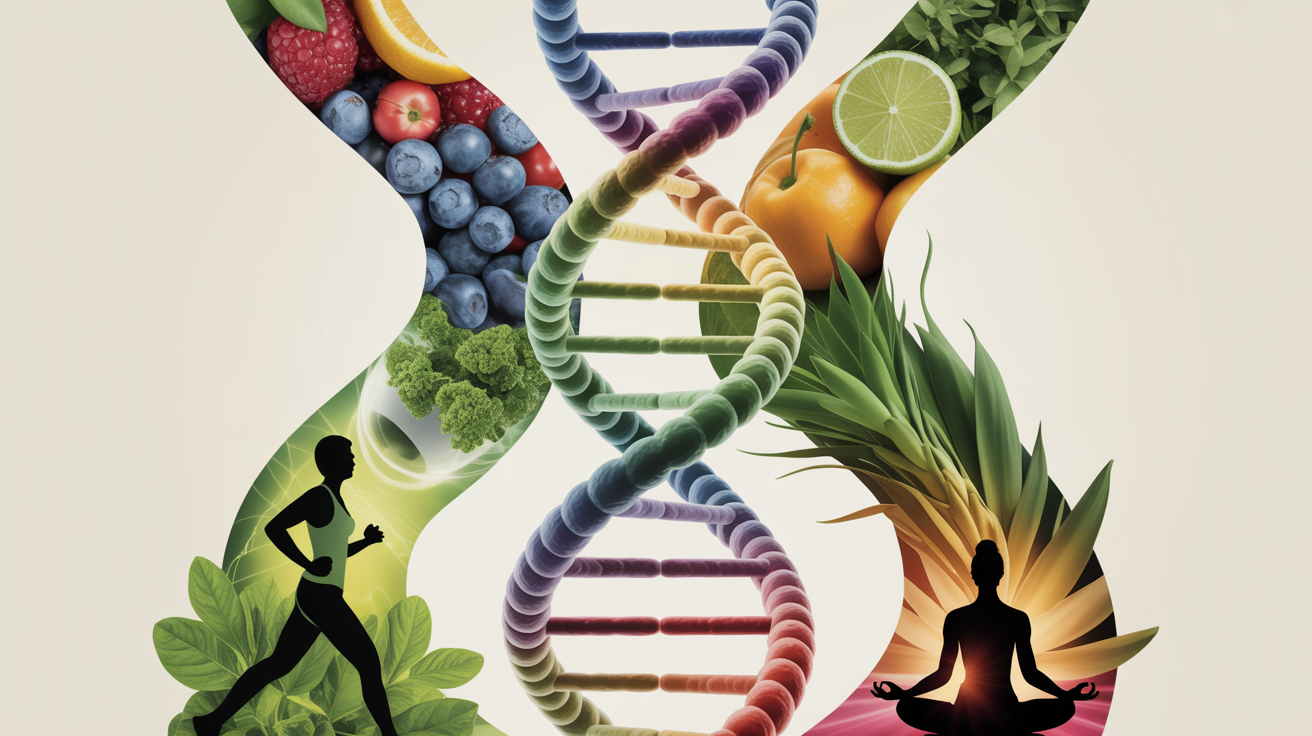
Beyond the Genetic Code
For decades, we've been told that our genes determine our destiny. The Human Genome Project promised to unlock the secrets of disease and health. But what scientists discovered was far more nuanced — and far more hopeful: our genes are not our fate.
“I praise you because I am fearfully and wonderfully made; your works are wonderful, I know that full well.” — Psalm 139:14
What Is Epigenetics?
Epigenetics (literally "above genetics") refers to chemical modifications that sit on top of DNA and regulate which genes are turned on or off. Think of your DNA as a piano — the keys are fixed (your genetic code), but which keys get played and how loudly depends on the pianist (epigenetic signals).
The primary epigenetic mechanisms include:
- DNA Methylation: Methyl groups attach to DNA, typically silencing gene expression
- Histone Modification: Chemical changes to histone proteins alter how tightly DNA is wound
- Non-coding RNA: Small RNA molecules regulate gene activity without changing the DNA sequence
Lifestyle Factors That Modify Gene Expression
Nutrition
Folate, B12, choline, and betaine are critical methyl donors that directly influence DNA methylation patterns. A diet rich in leafy greens, cruciferous vegetables, and quality protein supports healthy methylation.
Stress & Mental Health
Chronic stress alters the epigenome through elevated cortisol, affecting genes related to inflammation, immune function, and even aging. Conversely, stress-reduction practices like prayer, meditation, and deep breathing can reverse some of these changes.
Exercise
Even a single bout of exercise can alter the methylation of genes involved in fat metabolism, inflammation, and cognitive function. Regular physical activity creates sustained, beneficial epigenetic changes.
Environmental Exposures
Toxins, pollutants, and endocrine disruptors can create harmful epigenetic modifications. Detoxification support and reducing environmental exposures help protect the epigenome.
The Hopeful Science
Perhaps the most revolutionary aspect of epigenetics is its reversibility. Unlike genetic mutations, many epigenetic changes can be modified through lifestyle interventions. This means that the choices you make today — what you eat, how you manage stress, whether you exercise, your spiritual practices — are literally rewriting how your genes express themselves.
Our Epigenetics and Genetics specialist AI agents can help you understand your unique genetic landscape and create a personalized plan to optimize your gene expression.
Ready to Rewrite Your Health Story?
You are not your DNA destiny. Complete your Genesis World Health Assessment and let the AI Agent Council show you how diet, movement, stress, and faith can switch your genes toward healing — with a plan built around your unique biology.
Medical Disclaimer: As always, we encourage you to work with qualified healthcare providers — including genetic counselors, functional medicine physicians, registered dietitians, and your primary care provider — when making significant changes to your lifestyle and epigenetic influences. Genesis World Health is an educational platform, not a substitute for professional medical care. Our role is to equip you with knowledge, insight, and the integrative perspective you need to have more informed conversations with your healthcare team.
Sources & References
- Feinberg, A.P. (2007). "Phenotypic plasticity and the epigenetics of human disease." Nature, 447, 433–440. DOI
- Baccarelli, A. & Bollati, V. (2009). "Epigenetics and environmental chemicals." Current Opinion in Pediatrics, 21(2), 243–251. PubMed Central
- Denham, J., et al. (2014). "Exercise: putting action into our epigenome." Sports Medicine, 44(2), 189–209. DOI
- Kaliman, P., et al. (2014). "Rapid changes in histone deacetylases and inflammatory gene expression in expert meditators." Psychoneuroendocrinology, 40, 96–107. DOI
- Fraga, M.F., et al. (2005). "Epigenetic differences arise during the lifetime of monozygotic twins." Proceedings of the National Academy of Sciences, 102(30), 10604–10609. PubMed Central
- Zhang, Y. & Kutateladze, T.G. (2018). "Diet and the epigenome." Nature Communications, 9, 3375. DOI