The Fiber Revolution: How Fibremaxxing, Prebiotics, and God's Design for Gut Nourishment Are Reshaping Digestive Health
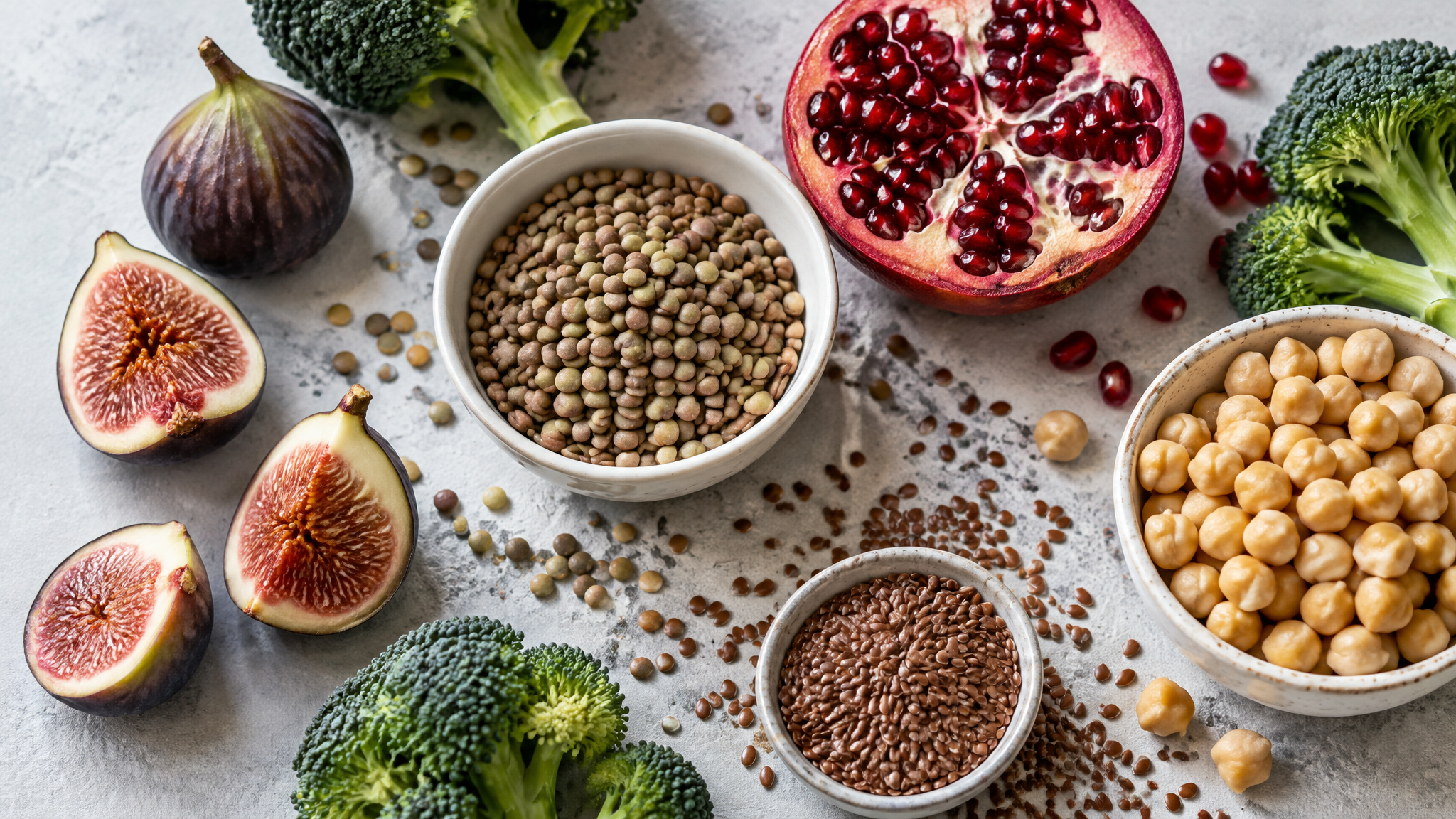
God's Original Design for Gut Nourishment
Fiber is having a cultural moment. In early 2026, a social media trend called fibremaxxing began encouraging people to intentionally maximize their daily fiber intake, and the science behind it is more compelling than most nutrition trends. Search interest in gut health, prebiotic fiber, and digestive wellness has surged, and for good reason: most American adults consume only about half the recommended daily fiber intake, and the consequences reach far beyond the digestive tract.
But the wisest fiber revolution is not about chasing extreme numbers or loading up on fiber-fortified powders and gummies. It is about returning to the diverse, plant-rich foods that God placed at the center of His original design for human nourishment, and understanding the remarkable science of what those foods do inside us.
"Then God said, 'I give you every seed-bearing plant on the face of the whole earth and every tree that has fruit with seed in it. They will be yours for food.'" — Genesis 1:29
Long before nutritional science identified dietary fiber, God designed a food system built around seeds, legumes, fruits, and plants. Modern research is now revealing just how intentional that design truly was.
What Is Fibremaxxing and Why Is It Trending?
Fibremaxxing is the intentional effort to raise daily dietary fiber intake through legumes, vegetables, fruit, whole grains, seeds, and fiber-rich whole foods. Its popularity in 2026 reflects several converging interests: rising awareness of gut health, the explosion of research on the microbiome, and growing consumer interest in preventive nutrition that addresses root causes rather than symptoms.
The trend also reflects a real gap. The Dietary Guidelines for Americans recommend 25 to 38 grams of fiber per day depending on age and sex, yet average intake hovers around 15 to 17 grams. An estimated 90 to 97 percent of the population fails to meet daily fiber recommendations. That gap has measurable consequences for gut health, metabolic function, immune regulation, and long-term disease risk.
The important distinction is between eating more whole plant foods, which is genuinely beneficial, and chasing extreme targets through isolated fiber supplements or highly processed fiber-fortified products. Fibremaxxing is most constructive when it leads people back to beans, lentils, berries, vegetables, whole grains, nuts, and seeds. It becomes less helpful when it encourages abrupt increases, digestive distress, or fixation on one nutrient at the expense of a balanced, varied diet.
Scientific American's 2026 analysis of the trend noted that the body's response to fiber depends heavily on the existing composition of the gut microbiome. Different bacteria require specific enzymes to break down different types of fiber, which is why diversity of fiber sources matters more than raw quantity. Genesis World Health's Nutrition and Diet Digital Health Agent can help you explore how to build a fiber-rich eating pattern that fits your individual health history and digestive tolerance.
Soluble vs. Insoluble Fiber: Understanding the Difference
Dietary fiber includes carbohydrate polymers and lignin that resist digestion and absorption in the small intestine. Most people have heard of the soluble and insoluble distinction, but the full picture is richer than that simple divide.
Soluble Fiber
Soluble fiber dissolves in water and some types form a gel that slows nutrient absorption, influences blood glucose response, and supports cholesterol management. Sources include oats, legumes, pectins, gums, and some resistant starches. Beta-glucan from oats, for example, has well-documented effects on LDL cholesterol reduction.
Insoluble Fiber
Insoluble fiber adds stool bulk and helps move material through the digestive tract, supporting regularity and reducing transit time. Cellulose, lignin, and some hemicelluloses occur in vegetables, whole grains, and wheat bran.
Why Fermentability and Diversity Also Matter
Solubility alone cannot predict a fiber's effects. Two additional properties matter enormously. First, fermentability: whether and how gut microorganisms break the fiber down into beneficial compounds, particularly short-chain fatty acids (SCFAs). Second, viscosity: the fiber's ability to thicken or form a gel in the digestive tract, influencing nutrient absorption and satiety signals.
Because these qualities do not overlap perfectly with the soluble and insoluble categories, one isolated fiber supplement cannot reproduce the full physical and microbial effects of a diverse whole-food diet. This is why food diversity, not a single superfood, is the foundation of a genuinely fiber-rich lifestyle.
The Prebiotic-Microbiome-Postbiotic Cascade
Understanding how fiber actually works inside the gut requires understanding three related terms that are often confused: prebiotics, probiotics, and postbiotics.
- Prebiotics are substrates selectively used by host microorganisms in a way that confers a health benefit. Examples include inulin, fructo-oligosaccharides (FOS), and galacto-oligosaccharides (GOS). Not every fermentable fiber qualifies as a prebiotic.
- Probiotics are live microorganisms that confer a health benefit when administered in adequate amounts, found in fermented foods like yogurt, kefir, kimchi, and sauerkraut.
- Postbiotics are the beneficial compounds produced when gut bacteria ferment prebiotic fibers, most notably short-chain fatty acids (SCFAs).
The cascade works like this: fermentable prebiotic fiber resists digestion in the upper gastrointestinal tract, reaches the colon intact, and becomes food for beneficial bacteria. Those bacteria ferment the fiber and produce SCFAs, primarily butyrate, propionate, and acetate, which then influence intestinal cells, gut barrier integrity, immune signaling, inflammation, and metabolic processes throughout the body.
Butyrate, in particular, is the primary energy source for colonocytes (the cells lining the colon) and plays a key role in maintaining gut barrier integrity, reducing intestinal permeability, and modulating inflammatory pathways. Research has linked adequate butyrate production to reduced colorectal cancer risk, improved insulin sensitivity, and lower systemic inflammation.
A 2026 study published in Frontiers in Microbiology highlighted that while fiber supplementation consistently increases total SCFA and acetate levels, the production of propionate and butyrate varies significantly between individuals due to differences in baseline microbiota composition. This is why a personalized, food-diversity approach outperforms any single-fiber supplement strategy.
The Best High-Fiber Foods: God's Original Provision
The most fiber-rich foods are also among the most nutrient-dense foods on earth, a design that reflects the wisdom of God's original provision. Here are some of the most powerful sources:
- Navy beans (cooked, 1 cup): approximately 18 to 19 grams of fiber, one of the highest per-serving sources available
- Split peas (cooked, 1 cup): approximately 16 grams, also rich in plant protein and folate
- Lentils (cooked, 1 cup): approximately 15 to 16 grams, a staple of traditional diets across cultures for millennia
- Black beans (cooked, 1 cup): approximately 15 grams, rich in resistant starch and antioxidants
- Chia seeds (1 oz): approximately 8 to 10 grams, also an excellent source of omega-3 fatty acids
- Raspberries (1 cup): approximately 8 grams, among the highest-fiber fruits available
- Artichoke (1 medium): approximately 7 to 10 grams, a rich source of inulin, a well-studied prebiotic
- Pear (1 medium): approximately 5.5 to 7 grams, contains pectin, a soluble fiber with cholesterol-lowering properties
- Broccoli (cooked, 1 cup): approximately 3 to 5 grams, also rich in sulforaphane, a potent anti-inflammatory compound
- Oats (1 cup, cooked): approximately 4 to 9 grams, the gold standard for beta-glucan and LDL cholesterol support
Legumes offer particularly large amounts per practical serving, but diversity is more valuable than relying on any single food. Combining several categories across the day provides different fiber types along with the broader food matrix of whole plants, including vitamins, minerals, phytonutrients, and antioxidants that work synergistically.
What Higher-Fiber Patterns Mean for Long-Term Health
The evidence linking higher-fiber dietary patterns to chronic disease prevention is among the most consistent in nutritional science. Systematic reviews and meta-analyses of prospective studies and clinical trials support the following associations.
Colorectal Cancer
Higher fiber intake is consistently associated with lower colorectal cancer incidence in large prospective studies. A comprehensive meta-analysis found that individuals in the highest quartile of dietary fiber intake had a 14 to 21 percent lower risk of colon cancer compared to those in the lowest intake group. Proposed mechanisms include reduced transit time, dilution of potentially harmful compounds, microbial changes, and SCFA production, particularly butyrate's role in promoting healthy colonocyte function and reducing abnormal cell proliferation.
Cardiovascular Disease
Higher-fiber patterns are associated with lower cardiovascular risk and mortality. An updated systematic review and meta-analysis of 64 prospective cohort studies, totaling over 3.5 million subjects, found that higher consumption of total dietary fiber significantly decreased the risk of cardiovascular disease mortality by 26 percent. Clinical trials report improvements in total and LDL cholesterol, systolic blood pressure, and body weight. Viscous soluble fibers, particularly beta-glucan and psyllium, have the strongest evidence for cholesterol reduction.
Type 2 Diabetes
Greater fiber intake is associated with lower type 2 diabetes incidence, and some higher-fiber interventions in adults with diabetes have improved fasting glucose, insulin sensitivity, and glycated hemoglobin (HbA1c). Responses vary by fiber type, overall diet, and individual metabolic status. Genesis World Health's Metabolic Health Digital Health Agent offers educational perspectives on how dietary fiber fits within a broader metabolic health strategy.
Gut Barrier Integrity and Immune Health
Emerging research highlights fiber's role in maintaining the gut epithelial barrier, the single-cell-thick lining that separates the gut microbiome from the bloodstream. When this barrier is compromised, bacterial endotoxins can enter systemic circulation and trigger chronic low-grade inflammation linked to autoimmune conditions, metabolic disease, and mood disorders. Adequate prebiotic fiber supports the microbial production of butyrate, which directly nourishes and strengthens this barrier.
How to Increase Fiber Without Overwhelming Your Gut
One of the most common mistakes in fibremaxxing is increasing fiber too quickly. A sudden surge can cause gas, bloating, cramping, or worsening constipation as the gut microbiome adjusts. The key is gradual, intentional progress.
- Assess your current pattern. Notice how often you eat legumes, vegetables, fruit, whole grains, nuts, and seeds, and where the gaps are.
- Add one serving at a time. Try fruit at breakfast, lentils in soup, or a tablespoon of chia seeds in a smoothie.
- Increase over several weeks. Give your digestive system and microbiota time to adapt. The microbial community itself shifts in response to dietary changes.
- Drink adequate fluids. Fiber absorbs water, and inadequate hydration can contribute to hard stools and discomfort.
- Rotate sources. Alternate beans, oats, berries, vegetables, whole grains, nuts, and seeds to provide diverse fiber types and support microbial diversity.
- Include fermented foods if tolerated. Yogurt, kefir, kimchi, and sauerkraut can complement a fiber-rich diet by supporting microbial diversity.
- Let symptoms guide the pace. More is not always better. If discomfort persists, slow down and consult a qualified practitioner.
Genesis World Health's Gut Microbiome Digital Health Agent can offer educational insights on building a fiber-rich eating pattern that fits your individual health history, digestive tolerance, and wellness goals, always as a complement to the guidance of your own licensed healthcare providers.
A Faith Perspective: Stewarding the Body God Designed
Genesis 1:29 is not a prescription for a restrictive modern diet, and it should not be weaponized as a source of guilt or dietary legalism. Medical needs, cultural traditions, food access, and individual tolerances differ, and God's grace covers all of it.
But the passage does invite a posture of wise stewardship: receiving food thankfully, caring for the body without obsession, and recognizing that the plant-rich foods God placed at the center of His original provision are genuinely, remarkably good for us. The fiber revolution, at its best, is not about achieving a number. It is about returning to the abundance of whole foods that reflect God's design for human flourishing.
"Whether you eat or drink or whatever you do, do it all for the glory of God." — 1 Corinthians 10:31
Eating a bowl of lentil soup, adding berries to your morning oats, or choosing whole grains over refined ones may seem like small, ordinary choices. But consistent acts of nourishment, received with gratitude and offered as stewardship, can become meaningful expressions of honoring the body God entrusted to you.
Nourish Your Gut the Way God Designed
Genesis World Health's 68 Digital Health Agents include the Nutrition and Diet agent, the Gut Microbiome agent, and the Metabolic Health agent, each offering educational perspectives on building a fiber-rich, whole-food lifestyle tailored to your unique health profile.
A Personal Note from Genesis World Health
The information shared in this article is for educational purposes and reflects our commitment to integrating faith, science, and whole-person wellness. It is not a substitute for professional medical advice, diagnosis, or treatment. Every person's health journey is unique and what works for one may not be right for another.
We encourage you to consult with registered dietitians, gastroenterologists, functional medicine physicians, and your primary care provider when making significant changes to your dietary fiber intake and gut health approach. Our prayer is that this knowledge empowers you to make informed, faith-guided decisions for the body God has entrusted to you.
Sources & References
- Reynolds AN, Akerman AP, Mann J. Dietary fibre and whole grains in diabetes management: Systematic review and meta-analyses. PLOS Medicine. 2020;17(3):e1003053. https://doi.org/10.1371/journal.pmed.1003053
- Makki K, Deehan EC, Walter J, Backhed F. The Impact of Dietary Fiber on Gut Microbiota in Host Health and Disease. Cell Host and Microbe. 2018;23(6):705-715. https://doi.org/10.1016/j.chom.2018.05.012
- Aune D, Chan DS, Lau R, et al. Dietary fibre, whole grains, and risk of colorectal cancer: systematic review and dose-response meta-analysis of prospective studies. BMJ. 2011;343:d6617. https://doi.org/10.1136/bmj.d6617
- Threapleton DE, Greenwood DC, Evans CE, et al. Dietary fibre intake and risk of cardiovascular disease: systematic review and meta-analysis. BMJ. 2013;347:f6879. https://doi.org/10.1136/bmj.f6879
- Baxter NT, Schmidt AW, Venkataraman A, et al. Dynamics of Human Gut Microbiota and Short-Chain Fatty Acids in Response to Dietary Interventions with Three Fermentable Fibers. mBio. 2019;10(1):e02566-18. https://doi.org/10.1128/mBio.02566-18
- Dahl WJ, Zhu H, Guan X. Dietary fiber: The scientific story. Advances in Nutrition. 2023;14(5):1027-1039. https://doi.org/10.1016/j.advnut.2023.06.003