Your Gut, God's Design: How the Microbiome Shapes Immunity, Mood & Longevity
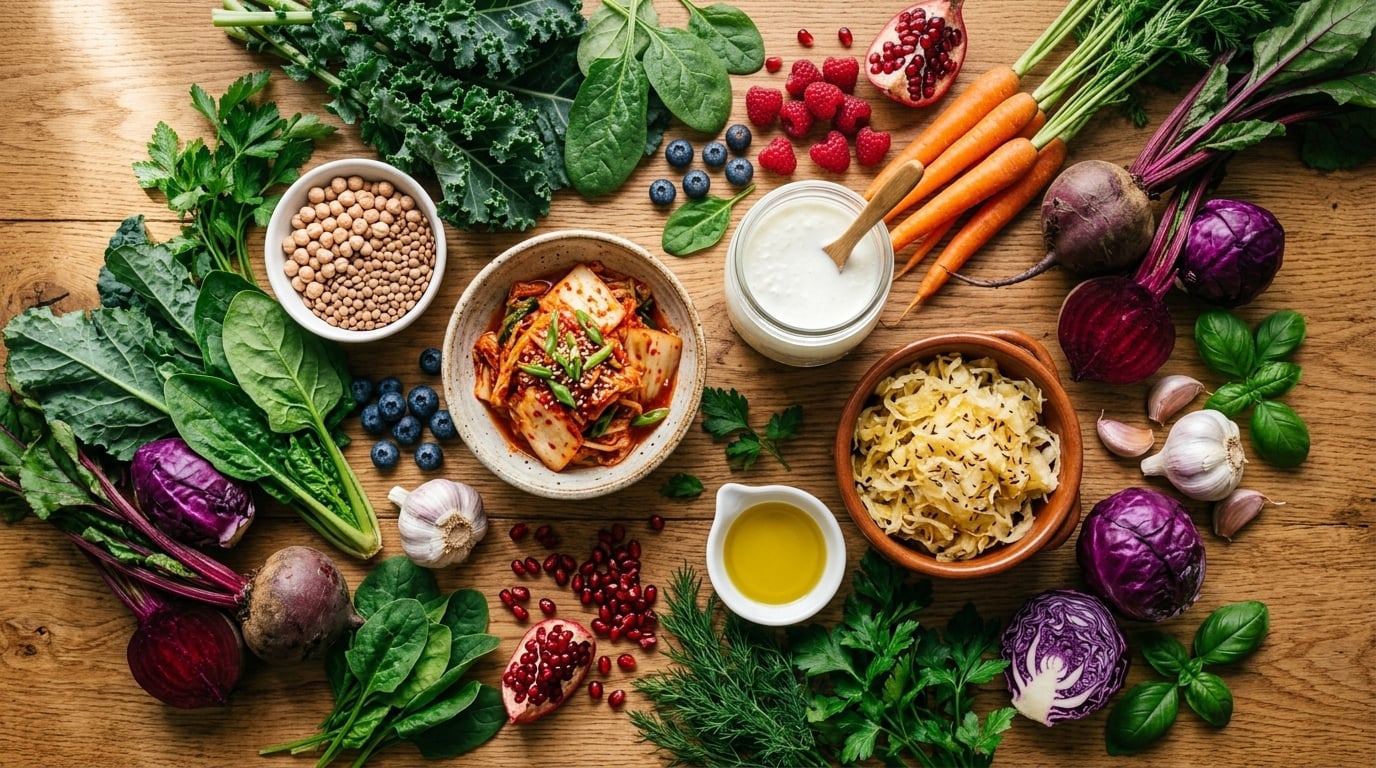
Inside your gastrointestinal tract lives an ecosystem of approximately 38 trillion microorganisms — bacteria, archaea, viruses, and fungi — collectively known as the gut microbiome. This hidden garden is not a passive bystander in your health. It is an active, dynamic community that regulates your immune defenses, shapes your emotional landscape, and determines the pace at which you age. In 2023, a landmark paper in Cell formally added dysbiosis — an imbalanced microbiome — to the twelve recognized hallmarks of aging, placing it alongside mitochondrial dysfunction and cellular senescence as a root driver of age-related decline.
For those who view the body as God's temple (1 Corinthians 6:19–20), this science carries profound meaning. Caring for your microbiome is not merely a wellness trend — it is an act of stewardship over the extraordinary biological design entrusted to each of us.
Why the Gut Microbiome Matters More Than We Realized
For decades, the gut was understood primarily as a digestive organ. We now know it is far more. The gut microbiome functions as a master regulator of whole-body health, communicating with the immune system, the brain, the endocrine system, and even your DNA through epigenetic signals.
The sheer scale of this community is staggering. Your microbiome contains more microbial cells than human cells in your body, and their collective genetic material — the microbiome — encodes over 150 times more genes than the human genome. These microbial genes produce enzymes, neurotransmitter precursors, vitamins, and metabolites that your own cells cannot manufacture.
When this ecosystem thrives — diverse, balanced, and well-nourished — so do you. When it is disrupted by poor diet, chronic stress, antibiotics, or ultra-processed foods, the consequences ripple outward into every system of the body.
70% of Your Immune System Lives in Your Gut
Perhaps the most striking fact about the microbiome is its relationship to immunity. Approximately 70–80% of the body's immune cells reside in or near the gastrointestinal tract within a network called gut-associated lymphoid tissue (GALT). This includes Peyer's patches, mesenteric lymph nodes, and isolated lymphoid follicles — all of which serve as the immune system's primary training ground.
Here, specialized cells sample the contents of your gut and teach your immune system to distinguish between friendly commensal bacteria and genuine threats. This process produces several critical outcomes:
- Secretory IgA production: A healthy microbiota stimulates the production of secretory IgA antibodies, which coat the gut lining and prevent harmful bacteria from crossing into the bloodstream.
- Regulatory T cell induction: Microbial metabolites — especially short-chain fatty acids (SCFAs) like butyrate — train immune cells to remain tolerant and anti-inflammatory, reducing the risk of autoimmune overreaction.
- Barrier integrity: A well-nourished microbiome reinforces the tight-junction proteins that seal the intestinal wall, preventing a condition researchers now call increased intestinal permeability — commonly known as "leaky gut."
When the Barrier Breaks: Understanding Leaky Gut
When dysbiosis weakens the gut lining, fragments of bacterial cell walls — particularly a molecule called lipopolysaccharide (LPS) — can translocate into the bloodstream. Once there, LPS activates inflammatory signaling cascades throughout the body, contributing to chronic low-grade inflammation linked to metabolic disease, cardiovascular risk, and autoimmune conditions.
This is why gut health is not just a digestive issue. It is a whole-body, whole-person issue — one that connects directly to the integrative, root-cause approach that Genesis World Health champions.
The Gut–Brain Conversation: How Microbes Influence Mood
The connection between your gut and your brain is not metaphorical — it is anatomical, biochemical, and bidirectional. The gut-brain axis is a complex communication network linking the enteric nervous system (the "second brain" in your gut) to the central nervous system through neural, immune, endocrine, and metabolic pathways.
With nearly one in five American adults living with depression or an anxiety disorder (CDC, 2024), understanding this axis has never been more urgent.
Serotonin, the Vagus Nerve, and the Stress Response
Consider these remarkable facts about the gut-brain connection:
- Serotonin production: Approximately 90% of the body's serotonin — the neurotransmitter most associated with mood stability and emotional well-being — is produced by enterochromaffin cells in the gut lining, with microbial activity directly influencing tryptophan metabolism and serotonin availability.
- Vagus nerve signaling: The vagus nerve serves as a direct neural highway between the gut and the brain. Enteroendocrine cells in the gut release neurotransmitters that activate vagal afferents, sending real-time signals upward to the brain about the state of the gut environment.
- HPA axis modulation: The microbiota influences the hypothalamic-pituitary-adrenal (HPA) axis — your body's central stress-response system. Chronic stress alters microbial composition and increases gut permeability, creating a vicious cycle of dysbiosis and heightened stress reactivity.
- Butyrate and brain health: This SCFA produced from fiber fermentation modulates brain-derived neurotrophic factor (BDNF), reduces neuroinflammation, and supports blood-brain barrier integrity — all emerging areas of active research.
For those navigating anxiety, depression, or chronic stress, the Genesis World Health AI Agent Council brings together specialized agents — including Faith & Spirituality, Clinical Medicine, and Stress & Adrenal agents — to address mental health from every angle simultaneously. This multi-agent approach mirrors the complexity of the gut-brain axis itself: no single pathway tells the whole story.
What Psychobiotics Can — and Can't — Do
"Psychobiotics" — probiotics with demonstrated mental health benefits — represent one of the most exciting frontiers in microbiome research. Strains such as Lactobacillus rhamnosus, Lactobacillus helveticus, and Bifidobacterium longum have shown modest reductions in anxiety and depressive symptoms in randomized controlled trials. However, a 2024 review noted that findings remain heterogeneous and effect sizes are small.
Psychobiotics are a promising adjunctive tool — not a replacement for professional mental health care. They work best as part of a comprehensive, whole-person approach that includes nutrition, movement, sleep, community, and spiritual practice.
Microbiome and Healthy Aging: Lessons from Centenarians
What do people who live past 100 have in common? Beyond genetics and lifestyle, researchers have consistently found that centenarians harbor remarkably diverse and resilient gut microbiomes — enriched with butyrate-producing bacteria like Christensenellaceae and Akkermansia muciniphila that are often depleted in frail elderly populations.
This is not coincidental. The microbiome influences aging through several interconnected mechanisms:
- Inflammaging: Persistent low-grade inflammation — driven partly by microbiome-derived LPS translocation — accelerates frailty, sarcopenia, cardiovascular disease, and cognitive decline. A thriving microbiome actively suppresses this inflammatory tide.
- Butyrate's epigenetic effects: Beyond fueling colonocytes and reinforcing the gut barrier, butyrate modulates histone deacetylase activity — influencing gene expression in ways that support cellular health and longevity.
- Biological age reversal: A pilot randomized controlled trial published in Aging (2021) found that an 8-week intervention combining a plant-centered diet, exercise, sleep optimization, stress reduction, and targeted probiotic supplementation reduced epigenetic age by 3.23 years compared to controls — a remarkable finding that underscores the power of lifestyle-microbiome synergy.
"Gray hair is a crown of glory; it is gained in a righteous life." — Proverbs 16:31
Aging well is not about defying God's design — it is about honoring it. The microbiome science of longevity aligns beautifully with the biblical vision of a long, vibrant, purposeful life.
Eating for a Thriving Microbiome
The most powerful tool you have for shaping your microbiome is your fork. Diet is the single greatest modifiable influence on microbial composition — and the research is remarkably clear about what works.
The 30-Plants-a-Week Goal
The American Gut Project — one of the largest citizen science microbiome studies ever conducted — found that people who ate 30 or more different plant foods per week had significantly greater microbial diversity than those eating 10 or fewer. Diversity is the hallmark of a resilient microbiome.
This does not mean eating 30 servings of the same vegetable. It means variety: different vegetables, fruits, legumes, whole grains, nuts, seeds, herbs, and spices — each feeding different microbial communities and producing different beneficial metabolites.
The Genesis World Health AI Nutrition Specialist can help you build a personalized dietary protocol based on your unique health profile, food preferences, and microbiome goals — making the 30-plants goal practical and sustainable rather than overwhelming.
Fermented Foods, Fiber, and Polyphenols
A landmark 2021 trial published in Cell found that a high-fermented-food diet — including yogurt, kefir, sauerkraut, kimchi, and kombucha — increased microbial diversity and decreased 19 inflammatory proteins over 10 weeks, outperforming a high-fiber diet alone for immune modulation. Key dietary pillars include:
- Fermented foods: Yogurt with live cultures, kefir, sauerkraut, kimchi, miso, and kombucha deliver live beneficial organisms directly to the gut.
- Diverse fiber: Lentils, beans, oats, barley, berries, apples, and leafy greens provide the substrate for SCFA production — the fuel that feeds both your gut lining and your immune system.
- Polyphenols: Berries, pomegranates, grapes, green tea, olive oil, dark chocolate, and herbs are rich in plant compounds that selectively feed beneficial bacteria and exert antioxidant effects. Many polyphenols require gut bacterial conversion to become biologically active.
- Resistant starch: Cooked-and-cooled potatoes or rice, green bananas, and legumes are fermented in the colon to produce butyrate — one of the most protective compounds for gut and systemic health.
- Prebiotics: Garlic, onions, leeks, asparagus, and chicory root selectively nourish beneficial taxa like Bifidobacterium and Lactobacillus.
Remarkably, many of these foods appear throughout Scripture — figs, pomegranates, olive oil, lentils, barley, garlic, and herbs. Genesis 1:29 highlights seed-bearing plants and fruit as foundational nourishment. The biblical diet and the microbiome-optimizing diet are, in many ways, the same diet.
What Disrupts Gut Health — and What to Do About It
Understanding what harms the microbiome is just as important as knowing what heals it. The most significant disruptors are largely within our control:
- Antibiotics: Broad-spectrum antibiotics can reduce microbial diversity for months to years. Early-life antibiotic exposure is linked to increased risk of allergies, asthma, and obesity. Use antibiotics only when medically necessary, and always follow with a targeted probiotic protocol.
- Ultra-processed foods (UPFs): Emulsifiers, artificial sweeteners, and the near-absence of fiber in UPFs degrade barrier function and starve beneficial bacteria. A diet high in UPFs is one of the fastest routes to dysbiosis.
- Chronic psychological stress: Cortisol-driven HPA dysregulation alters microbial composition and increases gut permeability — creating a feedback loop where stress damages the gut, and a damaged gut amplifies stress reactivity.
- Sleep disruption: The microbiota exhibits its own circadian rhythms. Shift work, insomnia, and irregular sleep schedules are consistently associated with dysbiosis and metabolic dysfunction.
- Sedentary living: Regular physical exercise independently increases microbial diversity and enriches butyrate-producing species — another reason movement is medicine.
- Excessive alcohol: Increases intestinal permeability and promotes inflammatory microbial taxa.
For those navigating gut health concerns alongside chronic conditions, the Genesis World Health Personalized Health Insights integrate nutrition, lifestyle, and supplement guidance into a cohesive protocol — addressing the root causes of dysbiosis rather than simply managing symptoms.
The Body as Temple: A Faith-Centered Framework for Gut Health
The biblical call to honor God with our bodies is not a burden — it is an invitation into the fullness of life that God designed us for. When we understand that the gut microbiome is a living ecosystem that responds to every food choice, every night of sleep, every moment of prayer and rest, the spiritual and the biological become inseparable.
"Do you not know that your bodies are temples of the Holy Spirit, who is in you, whom you have received from God? You are not your own; you were bought at a price. Therefore honor God with your bodies." — 1 Corinthians 6:19–20
Consider how naturally biblical rhythms align with microbiome science:
- Sabbath rest: Adequate sleep (7–9 hours) supports microbial circadian rhythms and gut barrier integrity — the Sabbath principle of rest is written into our biology.
- Communal meals: Eating in community reduces stress-driven dysbiosis. Research shows that the social support associated with faith communities is linked to a 30–43% increased survival rate in meta-analyses of religious service attendance.
- Fasting traditions: Intermittent fasting and traditional fasting practices may support microbial diversity and metabolic flexibility — ancient spiritual disciplines with emerging biological validation.
- Gratitude and prayer: Documented to lower HPA axis activation, indirectly supporting gut barrier function and reducing the cortisol-driven dysbiosis cycle.
At Genesis World Health, the Christ Consciousness Council Leader and Biblical Medicine resources help integrate this faith-centered perspective into every aspect of your health journey — because true healing addresses the spirit, soul, and body together.
Key Takeaways
- 70–80% of immune function is regulated by the gut microbiome through GALT, SCFA production, and barrier integrity.
- Dysbiosis is now a recognized hallmark of aging — a disrupted microbiome accelerates inflammation, frailty, and disease.
- The gut-brain axis influences mood through serotonin, the vagus nerve, and inflammatory cytokines — but psychobiotics are adjunctive, not replacements for mental health care.
- Aim for 30+ different plant foods per week to maximize microbial diversity.
- Fermented foods have RCT evidence for reducing inflammation and increasing microbial diversity.
- The biggest disruptors — antibiotics, ultra-processed foods, chronic stress, and poor sleep — are largely modifiable.
- Biblical food patterns and Sabbath rhythms align naturally and powerfully with microbiome science.
🌿 Ready to Nourish Your Inner Garden?
Your microbiome is unique — and your healing plan should be too. Genesis World Health's AI Nutrition Specialist can build a personalized dietary protocol tailored to your gut health goals, while our Personalized Health Insights integrate nutrition, lifestyle, and supplement guidance into one cohesive, faith-centered roadmap. For those navigating chronic conditions rooted in gut dysfunction, our Root Cause Protocol resources help identify and address the underlying drivers of dysbiosis.
Medical Disclaimer: As always, we encourage you to work with qualified healthcare providers — including gastroenterologists, registered dietitians, immunologists, and your primary care provider — when making significant changes to your gut microbiome and immune system support. Genesis World Health is an educational platform, not a substitute for professional medical care. Our role is to equip you with knowledge, insight, and the integrative perspective you need to have more informed conversations with your healthcare team.
Sources & References
- López-Otín C, et al. Hallmarks of Aging: An Expanding Universe. Cell. 2023. PubMed: 36599349
- Cryan JF, et al. The Microbiota-Gut-Brain Axis. Physiological Reviews. 2019. PubMed: 31460832
- Wastyk HC, et al. Gut-Microbiota-Targeted Diets Modulate Human Immune Status. Cell. 2021. PubMed: 34256014
- Fitzgerald KN, et al. Potential Reversal of Epigenetic Age Using a Diet and Lifestyle Intervention: A Pilot RCT. Aging. 2021. PubMed: 33844651
- Koh A, et al. From Dietary Fiber to Host Physiology: Short-Chain Fatty Acids as Key Bacterial Metabolites. Cell. 2016. PubMed: 27345015
- Centers for Disease Control and Prevention. Mental Health Conditions Data 2024. cdc.gov