Heavy Metal Detox: What Your Body Really Does and What the Science Actually Supports
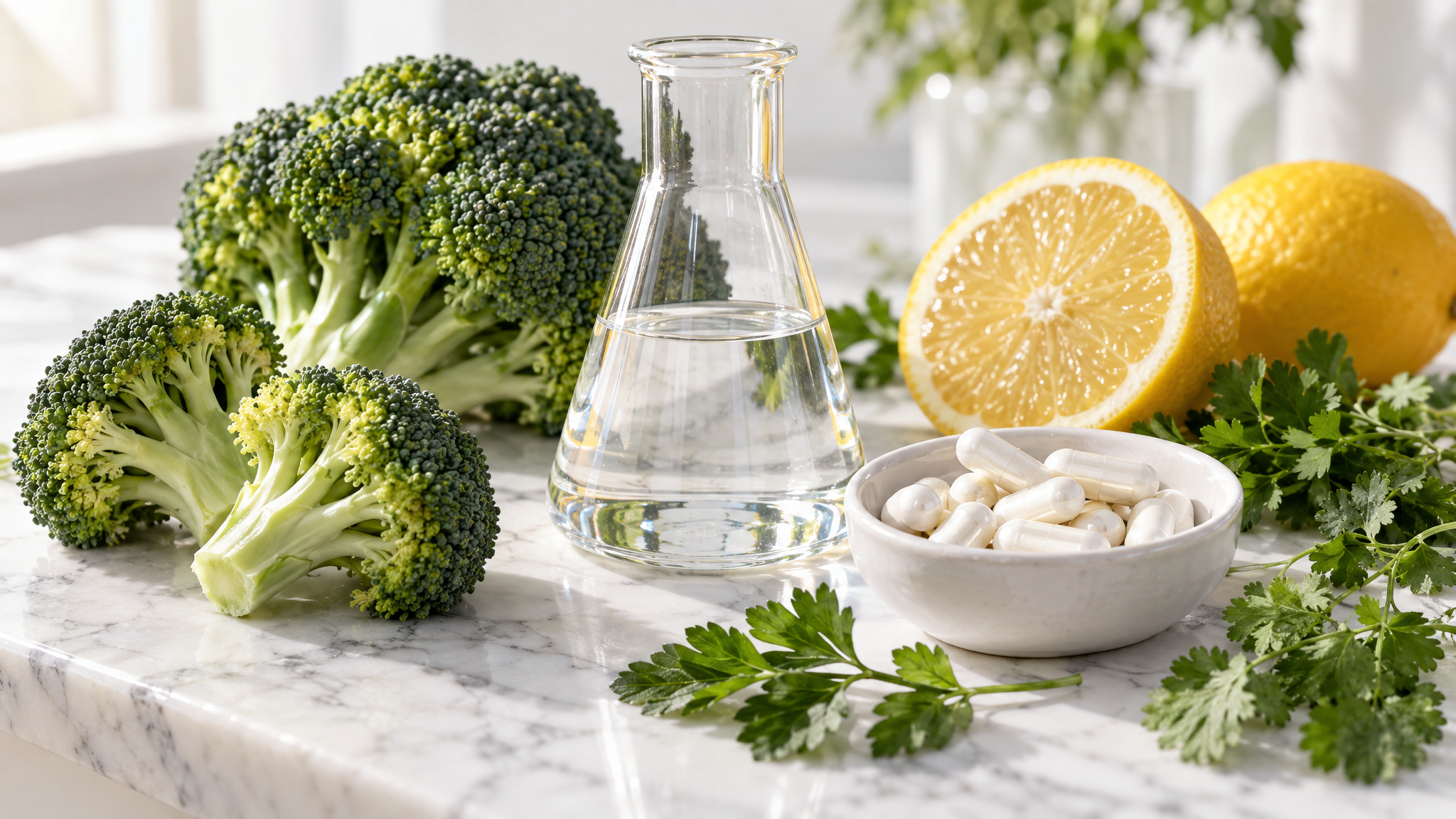
Every day, your body encounters an invisible burden: heavy metals and environmental toxins that can accumulate quietly in tissues, disrupt cellular function, and place a slow, steady tax on your health. Lead in aging water pipes, mercury in certain fish, arsenic in contaminated groundwater, cadmium in cigarette smoke and some foods: these are not hypothetical threats. They are measurable realities in the modern world, and the science of how your body handles them is both more sophisticated and more nuanced than most "detox" marketing would have you believe.
Scripture calls us to honor God with our bodies: "Do you not know that your body is a temple of the Holy Spirit within you, whom you have from God? You are not your own, for you were bought with a price. So glorify God in your body" (1 Corinthians 6:19-20). That invitation to stewardship is not a call to fear, but to wisdom: understanding what your body actually does, what genuinely supports it, and which popular approaches the evidence does not back.
How Heavy Metals Enter and Accumulate
Heavy metals enter the body primarily through ingestion and inhalation. The sources are more common than most people realize: contaminated drinking water, certain fish and shellfish, soil and household dust (especially in older homes with lead paint), industrial air pollution, and even some imported consumer products. Once inside, these metals behave very differently from one another, and that distinction matters enormously for how we respond.
- Lead: Distributes to the brain, liver, kidneys, and bones. It can accumulate in bone tissue for decades and re-enter the bloodstream during pregnancy, potentially exposing a developing baby. The World Health Organization states that no level of lead exposure is known to be without harmful effects.
- Mercury: Its effects depend heavily on its chemical form. Organic mercury (methylmercury, found in fish) affects the nervous system; inorganic mercury concentrates in the kidneys. Both forms can cause significant harm at sufficient exposure levels.
- Arsenic: Undergoes biotransformation in the liver, but this processing does not make every intermediate harmless. Chronic arsenic exposure is associated with skin changes, cardiovascular disease, and several cancers.
- Cadmium: Notably persistent. It accumulates in the kidneys and liver and can remain there for decades. Chronic exposure is linked to kidney dysfunction, lung effects, and cardiovascular risk.
A 2025 cohort study published in Ecotoxicology and Environmental Safety found that urinary cadmium, barium, antimony, and tungsten were associated with mortality risk, partly through markers of accelerated epigenetic aging. A 2026 umbrella review of meta-analyses in the Journal of Hazardous Materials characterized the association between cadmium and kidney cancer as "highly suggestive," while evidence linking heavy metals to cardiovascular disease and diabetes was graded as "suggestive." These findings reinforce the importance of reducing exposure, not as a reason for panic, but as a call to informed stewardship.
Your Body's Real Detoxification Pathways
Before exploring what supports detoxification, it's worth understanding what your body actually does, because the reality is more elegant than any supplement label suggests.
The Liver: Your Primary Processing Center
The liver transforms and packages many compounds for elimination. Through glutathione conjugation and metal-binding proteins, it can help sequester reactive substances and prepare them for transport out of the body. Some processed compounds enter bile, move into the intestines, and leave through stool. The liver does not simply "flush" metals on demand. Its processing capacity depends on nutritional status, continued exposure levels, and the specific chemistry of each metal.
The Kidneys: Filtering and Excreting
The kidneys filter blood and excrete water-soluble compounds and metal complexes in urine. They are also vulnerable to injury because some metals concentrate in kidney tissue. More urination does not automatically equal more metal removal. Drinking extra fluid is not a remedy for metal poisoning, and some metals can damage the very organs responsible for eliminating them.
The Gastrointestinal Tract: The Stool Route
Unabsorbed metals can leave directly in stool. Bile also delivers processed compounds into the intestine for elimination. This is one reason normal bowel function and adequate dietary fiber genuinely matter: they support the body's natural elimination rhythm. However, claims that a particular food or binder can reliably clear metals from deep tissue stores require clinical evidence that most products simply do not have.
What Nutritional Science Actually Supports
The wellness industry is filled with bold claims about "detox" foods and supplements. Here is what the evidence actually shows, calibrated honestly and without overpromising.
Glutathione and NAC
Glutathione is central to the body's antioxidant defense systems. N-acetylcysteine (NAC) supplies cysteine for glutathione production and can interact directly with reactive compounds. Findings in lead-exposed workers suggest possible improvement in oxidative-stress markers with NAC supplementation. However, robust trials establishing NAC as a primary heavy-metal remedy are lacking. NAC is best understood as potential nutritional support for cellular defense, not do-it-yourself chelation.
Cruciferous Vegetables
Broccoli, cabbage, watercress, and related vegetables contain glucosinolates that form isothiocyanates, including sulforaphane. These compounds influence NRF2 signaling and glutathione-related enzymes involved in cellular protection. Human studies show increased elimination of certain airborne and tobacco-related pollutants after eating more cruciferous vegetables. Evidence that these foods remove a meaningful heavy-metal burden is less direct, but they remain genuinely health-supportive foods that belong in any well-designed eating pattern.
Chlorella and Cilantro
A small 90-day study of 16 adults with long-term dental amalgam fillings and titanium implants reported lower levels of some metals in hair samples after a combined supplement containing chlorella, a seaweed extract, and sulfur-containing amino acids. Because the study combined ingredients, involved few participants, and has not been broadly replicated, it cannot establish chlorella alone as an effective heavy-metal remedy. Cilantro (coriander) is widely promoted for "heavy metal detox," but a critical review of detox diets in the Journal of Human Nutrition and Dietetics found the human evidence limited, with rigorous randomized trials largely absent. Neither should be described as a remedy for poisoning, and supplement quality matters, since organisms capable of binding contaminants may also pick up unwanted substances during production.
Sauna
Arsenic, cadmium, lead, and mercury have been detected in human sweat. However, finding a metal in sweat does not show that sauna meaningfully lowers total body burden or improves health outcomes. Studies vary in collection methods and exposure levels, and the evidence is insufficient to recommend sauna as a standalone heavy-metal removal method. Sauna may have a place in general wellness, but it is not a substitute for addressing the source of exposure.
Genesis World Health's Detoxification Digital Health Agent can help members explore evidence-based nutritional strategies that support the body's natural elimination pathways, and the Environmental Medicine agent offers educational perspectives on reducing toxic exposures at home and at work. The Functional Medicine agent adds a root-cause lens, helping you see how mineral balance, nutrition, and environmental factors may fit together. All three share educational perspectives only.
When Medical Testing and Chelation Come Into the Picture
It is important to distinguish between supporting normal physiology and responding to confirmed poisoning. Prescription chelation, using agents like DMSA, DMPS, or EDTA, is a medical intervention reserved for selected, medically assessed cases of significant heavy-metal toxicity. It is not a wellness cleanse. Misused chelation can cause kidney injury, low calcium levels, loss of essential minerals, and harmful redistribution of metals to sensitive tissues.
Testing is commonly considered after a known spill or workplace incident, a contaminated-water notice, a hazardous renovation in an older home, or suspected childhood exposure. For lead specifically, a blood test is the standard assessment, and many exposed children have no obvious symptoms, which is why testing matters. Local public-health departments are often a helpful source of information about water quality and lead in older homes.
"Do you not know that your body is a temple of the Holy Spirit within you, whom you have from God? You are not your own, for you were bought with a price. So glorify God in your body." — 1 Corinthians 6:19-20
A Practical Stewardship Framework
Stewardship of the body God designed begins with the most impactful actions first, not the most marketable ones. Here is a prioritized framework grounded in evidence:
- Reduce the source first. Review your drinking water quality, household dust and paint (especially in pre-1978 homes), soil in your yard, workplace activities, and known environmental contamination in your area. Source control matters more than any supplement.
- Eat a varied, nutrient-dense diet. Include adequate protein, fiber, and vegetables, especially cruciferous vegetables. This supports normal antioxidant, liver, and bowel function without overpromising metal removal.
- Support glutathione with food. Foods rich in sulfur-containing amino acids (eggs, legumes, garlic, onions), along with cruciferous vegetables, support the body's own glutathione production.
- Maintain healthy bowel function. Adequate fiber intake (25-38 grams daily) supports the gastrointestinal elimination pathway and feeds the beneficial gut bacteria that contribute to overall metabolic health.
- Take known exposures seriously. After a spill, a water notice, or a renovation in an older home, testing, not a supplement, is the standard first step.
- Do not self-administer chelation. It is a medical intervention, not a cleanse, and it carries real risks outside of appropriate clinical supervision.
Stewardship Without Fear
The call to honor God with our bodies is an invitation to wisdom, not anxiety. Environmental toxins are a real concern in the modern world, but the response to that reality is informed stewardship, not fear-driven health marketing. The body God designed is remarkably capable: its liver, kidneys, and gastrointestinal tract work continuously to process and eliminate what does not belong. Our role is to support those systems, reduce avoidable exposures, and take real exposures seriously when they happen.
Illness or toxic exposure is not evidence of spiritual failure. Health outcomes are not a measure of faith. Christians can pursue evidence-informed care with gratitude, humility, and compassion, placing their ultimate hope in God while making wise choices about the bodies He has entrusted to them.
Genesis World Health's Disorders Library offers additional educational context on how environmental factors relate to chronic health conditions, and the Functional Medicine agent can help you explore how a root-cause approach looks at underlying contributors such as mineral balance, nutrition, and toxic load. These resources are designed to inform, not to diagnose.
Support Your Body's Natural Defenses
Genesis World Health's Digital Health Agents let you compare educational perspectives on environmental health in one place. Ask the Detoxification agent about nutrition that supports your elimination pathways, the Environmental Medicine agent about reducing exposures at home and work, and the Functional Medicine agent about a root-cause view of mineral balance and toxic load, or bring them together in the Genesis Council.
Genesis World Health's Digital Health Agents are digital tools, not human practitioners. They share educational insights only, and no person reviews your information.
A Personal Note from Genesis World Health
The information shared in this article is for educational purposes and reflects our commitment to integrating faith, science, and whole-person wellness. It is not a substitute for professional medical advice, diagnosis, or treatment. Every person's health journey is unique — fearfully and wonderfully made — and what works for one may not be right for another.
We encourage you to consult with licensed physicians, medical toxicologists, your local public-health department, and your primary care provider when making significant changes to your approach to heavy metal exposure, supplements such as NAC or chlorella, or chelation. Our prayer is that this knowledge empowers you to make informed, faith-guided decisions for the body God has entrusted to you.
Sources & References
- Centers for Disease Control and Prevention. Lead Exposure Prevention. https://www.cdc.gov/lead-prevention/prevention/index.html
- World Health Organization. Lead Poisoning and Health. https://www.who.int/news-room/fact-sheets/detail/lead-poisoning-and-health
- Merino JJ, et al. "The Long-Term Algae Extract (Chlorella and Fucus sp) and Aminosulphurate Supplementation Modulate SOD-1 Activity and Decrease Heavy Metals (Hg++, Sn) Levels in Patients with Long-Term Dental Titanium Implants and Amalgam Fillings Restorations." Antioxidants (Basel). 2019;8(4):101. https://pubmed.ncbi.nlm.nih.gov/31014007/
- Klein AV, Kiat H. "Detox diets for toxin elimination and weight management: a critical review of the evidence." Journal of Human Nutrition and Dietetics. 2015;28(6):675-686. https://pubmed.ncbi.nlm.nih.gov/25522674/
- Wang H, et al. "Heavy metals, epigenetic aging, and mortality: A cohort study." Ecotoxicology and Environmental Safety. 2025;303:118826. https://pubmed.ncbi.nlm.nih.gov/40782533/
- Lee H, et al. "Heavy metal exposure and all health outcomes: An umbrella review of meta-analyses." Journal of Hazardous Materials. 2026;503:141141. https://pubmed.ncbi.nlm.nih.gov/41564770/