Men's Immune Resilience: The Science, the Spirit, and the Path to Lifelong Vitality
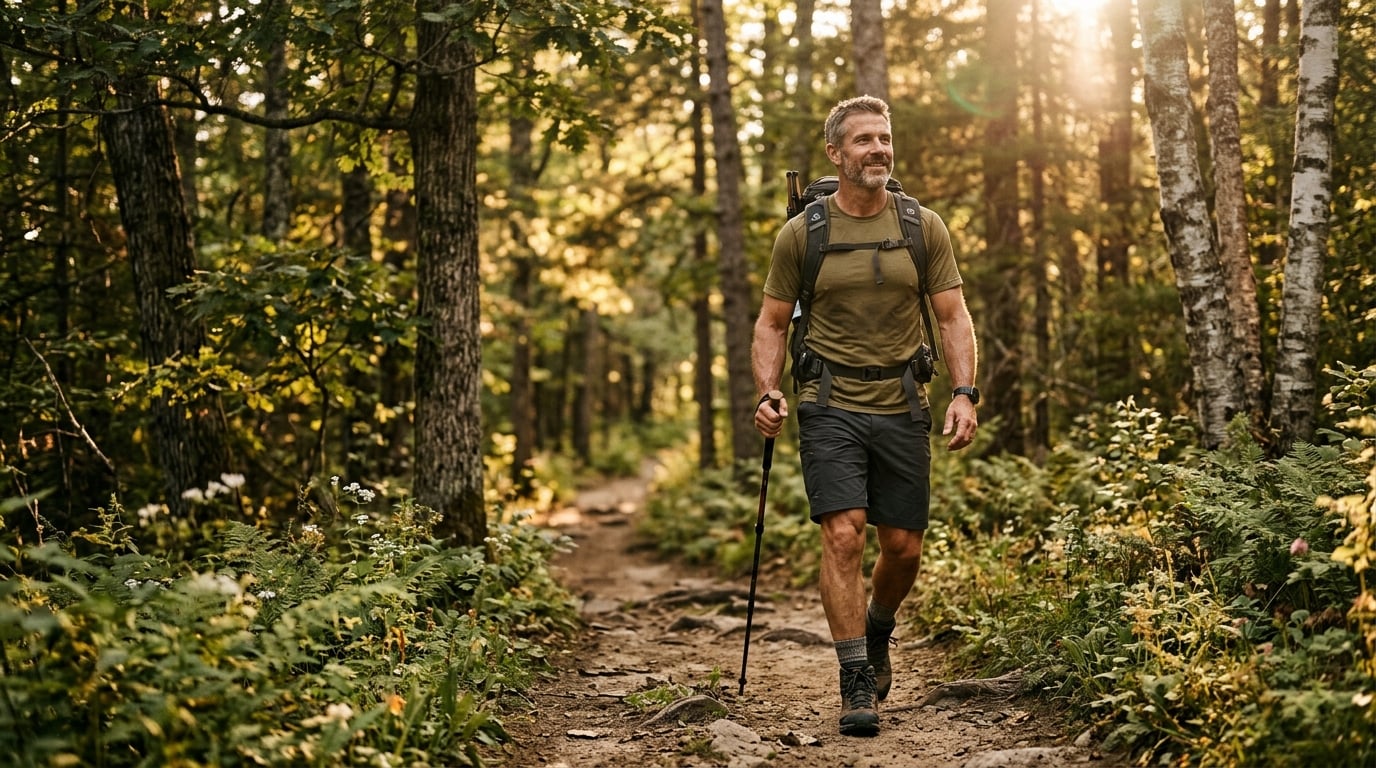
Men's Immune Resilience: The Science, the Spirit, and the Path to Lifelong Vitality
There is a quiet crisis unfolding in men's health — and it has nothing to do with the conditions most men worry about. While testosterone levels, cardiovascular risk, and prostate health dominate the conversation, the immune system — the body's most sophisticated defense network — is being systematically undermined by the pressures of modern life. Chronic stress, poor sleep, processed food, and spiritual disconnection are eroding the very system designed to keep men strong, resilient, and alive.
The good news? Immune resilience is not a fixed trait. It is a dynamic, trainable capacity — one that responds powerfully to the right inputs. And for men willing to look beyond the surface, the path to a stronger immune system runs through the same territory as the path to a stronger life: faith, purpose, nutrition, rest, and the wisdom to treat the body as the sacred vessel it was designed to be.
"Do you not know that your bodies are temples of the Holy Spirit, who is in you, whom you have received from God? You are not your own; you were bought at a price. Therefore honor God with your bodies." — 1 Corinthians 6:19-20
This is not merely a spiritual metaphor. It is a biological mandate. The body God designed is capable of extraordinary self-defense — but only when we honor the conditions that allow it to function as intended.
Why Men's Immune Systems Are Uniquely Vulnerable
Science has long recognized that men and women experience immunity differently — and men often draw the short straw. Research from the La Jolla Institute for Immunology and multiple peer-reviewed studies confirm that biological sex is a fundamental variable in immune function, with men facing distinct vulnerabilities that require targeted attention.
The Testosterone Paradox
Testosterone — the hormone that defines much of male physiology — plays a complex and sometimes counterproductive role in immune regulation. While testosterone supports muscle mass, bone density, and drive, it also acts as an immunosuppressant in certain contexts. Specifically, testosterone can dampen type-I interferon responses, which are the body's first line of antiviral defense. At the same time, it can amplify pro-inflammatory cytokines like IL-6 and TNF-alpha, creating a paradox: men may be simultaneously less equipped to fight viruses and more prone to chronic inflammation.
This hormonal dynamic helps explain why men historically experience more severe outcomes from viral infections — including COVID-19, influenza, and tuberculosis — compared to women of the same age.
The X Chromosome Disadvantage
Women carry two X chromosomes; men carry one. This seemingly simple genetic difference has profound immune implications. Many immune-regulating genes are located on the X chromosome, and women benefit from having two copies — a form of genetic redundancy that enhances immune responsiveness. Men, with only one X chromosome, lack this backup system, creating specific biological vulnerabilities that accumulate over time, particularly as the immune system ages.
Immunosenescence: The Aging Immune System
After age 40, men experience a measurable decline in adaptive immune function — the branch of immunity responsible for recognizing and remembering specific pathogens. Research from The Jackson Laboratory shows that older men display a more significant loss of chromatin accessibility in B cells compared to women, correlating with reduced antibody production and increased susceptibility to infection. This process, known as immunosenescence, is not inevitable — but it is accelerated by the lifestyle factors most common in modern men: chronic stress, sleep deprivation, sedentary behavior, and poor nutrition.
The Four Pillars of Male Immune Resilience
Functional and integrative medicine have moved decisively away from the outdated concept of "boosting" the immune system. The goal is not a hyperactive immune response — that leads to autoimmune conditions and chronic inflammation. The goal is immune balance: a calibrated, responsive system that mounts appropriate defenses without triggering collateral damage.
For men, achieving this balance rests on four foundational pillars.
Pillar 1: Gut Health — The Immune System's Command Center
Approximately 70-80% of the body's immune cells reside in the gut-associated lymphoid tissue (GALT). The gut microbiome — the vast ecosystem of bacteria, fungi, and other microorganisms living in the digestive tract — directly regulates immune signaling, antibody production, and the integrity of the gut barrier. When the microbiome is disrupted (a condition called dysbiosis), immune function deteriorates across the board.
For men, gut health is particularly critical because testosterone metabolism is partly regulated by gut bacteria. A compromised microbiome doesn't just weaken immunity — it can disrupt hormonal balance, mood, and cognitive function simultaneously.
Integrative strategies for gut-immune health include:
- Prioritizing fiber-rich, whole-food diets that feed beneficial bacteria
- Incorporating fermented foods (kefir, kimchi, sauerkraut) for probiotic diversity
- Eliminating ultra-processed foods and refined sugars that feed pathogenic bacteria
- Targeted probiotic supplementation based on individual microbiome testing
- Supporting gut barrier integrity with L-glutamine, zinc carnosine, and collagen
The GWH AI Agent Council includes a dedicated Gut Health specialist who works alongside the Men's Health Agent and Nutraceuticals Specialist to create personalized gut-immune strategies — because no two men's microbiomes are identical.
Pillar 2: Sleep — The Immune System's Repair Window
Sleep is not passive recovery. It is the body's most active immune maintenance period. During deep sleep, the body produces cytokines — signaling proteins essential for immune memory and pathogen response. Natural killer cells, which identify and destroy infected or cancerous cells, are replenished during sleep. Melatonin, produced in darkness, acts as a potent antioxidant and immune modulator.
Men who consistently sleep fewer than 7 hours per night show measurably reduced natural killer cell activity, elevated inflammatory markers (including C-reactive protein and IL-6), and significantly higher susceptibility to viral infections. One landmark study found that men sleeping 6 hours or less were four times more likely to catch a cold when exposed to the rhinovirus compared to those sleeping 7 or more hours.
Circadian rhythm disruption — common among men who work night shifts, travel frequently, or use screens late at night — compounds this immune suppression by disrupting the hormonal cascade that governs immune cell production and deployment.
Pillar 3: Targeted Nutrition and Nutraceuticals
The immune system is nutritionally expensive. Building antibodies, activating T-cells, and maintaining gut barrier integrity all require specific micronutrients — and deficiencies in any of them create measurable immune gaps. For men, the most clinically significant immune nutrients include:
- Vitamin D: Functions as a hormone, not merely a vitamin. Vitamin D receptors are present on virtually every immune cell. Deficiency — extraordinarily common in men who work indoors — is associated with increased susceptibility to respiratory infections, autoimmune conditions, and chronic inflammation. Optimal levels (60-80 ng/mL) require testing and often supplementation well beyond the standard RDA.
- Zinc: Essential for the development and function of neutrophils, natural killer cells, and T-lymphocytes. Zinc deficiency impairs wound healing, reduces antibody production, and accelerates immunosenescence. Men lose zinc through sweat, making athletes and active men particularly vulnerable.
- Omega-3 Fatty Acids (EPA/DHA): Regulate the resolution of inflammation — the process by which the immune system "stands down" after a threat is neutralized. Without adequate omega-3s, inflammation becomes chronic rather than acute, driving cardiovascular disease, metabolic dysfunction, and accelerated aging.
- Vitamin C: Supports the production and function of white blood cells, acts as a powerful antioxidant protecting immune cells from oxidative damage, and enhances the skin's barrier function as a first line of defense.
- Adaptogenic Herbs: Ashwagandha, rhodiola, and reishi mushroom have demonstrated evidence-based capacity to modulate cortisol, reduce stress-induced immune suppression, and enhance natural killer cell activity.
The GWH Deep Dive Sessions with the Nutraceuticals Specialist allow men to explore their specific nutritional gaps in depth — moving beyond generic supplement stacks to a precision approach based on lab data and individual health history.
Pillar 4: Stress Mastery — The Cortisol-Immunity Connection
Chronic stress is perhaps the single most destructive force acting on the male immune system. When the body perceives a threat — whether physical danger or a relentless work deadline — it releases cortisol, the primary stress hormone. In short bursts, cortisol is adaptive: it sharpens focus, mobilizes energy, and temporarily suppresses inflammation to allow action.
But when cortisol remains chronically elevated — as it does in men under sustained psychological, financial, or relational stress — it becomes profoundly immunosuppressive. Chronic cortisol elevation:
- Reduces the production of lymphocytes (white blood cells)
- Suppresses natural killer cell activity
- Decreases antibody production
- Increases susceptibility to viral infections
- Promotes chronic low-grade inflammation (the "silent saboteur" of long-term health)
Research from Duke University Medical Center involving over 1,700 adults found that individuals who engage in regular spiritual practices demonstrate measurably better immune function — even after controlling for chronic illness and depression. The mechanism is clear: prayer, meditation, and faith community involvement reduce cortisol, lower inflammatory markers, and activate the parasympathetic nervous system — the body's "rest and repair" mode.
"Cast all your anxiety on Him because He cares for you." — 1 Peter 5:7
This is not wishful thinking. It is physiology. The act of surrendering anxiety — truly releasing it through prayer and trust — produces measurable changes in the body's stress hormone profile. For men who have been conditioned to carry every burden alone, this may be the most countercultural and most healing practice available.
Advanced Immune Testing: Know Your Baseline
One of the most powerful shifts in integrative men's health is the move toward "immune profiling" — using advanced lab testing to identify each man's unique immune signature before problems arise. Rather than waiting for illness to reveal immune weakness, proactive testing allows for targeted intervention.
Key immune biomarkers for men include:
- High-Sensitivity C-Reactive Protein (hs-CRP): The gold standard marker for systemic inflammation. Optimal levels are below 1.0 mg/L; levels above 3.0 mg/L indicate significant cardiovascular and immune risk.
- Interleukin-6 (IL-6): A pro-inflammatory cytokine elevated in chronic stress, obesity, and immune dysregulation.
- Vitamin D (25-OH): The most commonly deficient immune nutrient in men. Testing reveals actual status rather than assumed adequacy.
- Complete Blood Count with Differential: Provides a snapshot of white blood cell populations — neutrophils, lymphocytes, monocytes — revealing immune system activity and potential dysfunction.
- Immunoglobulin Levels (IgG, IgA, IgM): Measures antibody production capacity across different immune branches.
The GWH Health Assessment is designed to capture this kind of comprehensive baseline — bringing together lifestyle factor's and symptom patterns into a unified picture that the AI Agent Council uses to build personalized immune support suggestions.
Faith as Immune Medicine: The Evidence
The connection between faith and immune function is no longer a matter of belief alone — it is a matter of documented science. Multiple peer-reviewed studies have established that regular spiritual practice is associated with:
- Lower levels of inflammatory cytokines (IL-6, TNF-alpha)
- Higher natural killer cell activity
- Reduced cortisol and improved HPA axis regulation
- Better sleep quality and circadian rhythm stability
- Stronger social support networks (a key predictor of immune resilience)
For men specifically, faith provides something that no supplement can replicate: a framework of meaning. Research consistently shows that men with a strong sense of purpose — rooted in faith, family, or mission — demonstrate better health outcomes across virtually every metric, including immune function. Purpose reduces the chronic stress load that suppresses immunity. It motivates the lifestyle choices that support it. And it provides the community that buffers against the isolation that accelerates immune aging.
At Genesis World Health, the Biblical Medicine framework honors this reality. The Faith & Spiritual Wellness Agent within the AI Agent Council integrates spiritual health as a genuine clinical variable — not an afterthought, but a foundational pillar of whole-person care.
Building Your Immune Resilience Protocol
Immune resilience is not built in a day. It is the cumulative result of consistent, aligned choices — choices that honor the body's design and support its extraordinary capacity for self-defense and self-repair. For men ready to take this seriously, the strategy is clear:
- Test, don't guess. Get a comprehensive immune panel including hs-CRP, Vitamin D, CBC with differential, and zinc levels. Know your baseline before you build your protocol.
- Heal your gut first. No immune protocol succeeds on a foundation of gut dysbiosis. Prioritize whole foods, eliminate ultra-processed inputs, and consider targeted probiotic support.
- Protect your sleep. Seven to nine hours of quality sleep is non-negotiable for immune maintenance. Treat sleep as a clinical intervention, not a luxury.
- Master your stress response. Daily prayer, breathwork, time in nature, and community connection are not soft suggestions — they are evidence-based immune interventions.
- Optimize your key nutrients. Vitamin D, zinc, omega-3s, and vitamin C are the immune system's essential building blocks. Supplement intelligently based on your lab results.
- Move consistently, not excessively. Moderate aerobic exercise and resistance training enhance immune surveillance. Overtraining suppresses it. Find the balance.
- Seek whole-person guidance. The immune system does not operate in isolation. It is connected to your hormones, your gut, your nervous system, your sleep, and your spirit. Effective immune support requires a whole-person approach — exactly what the GWH AI Agent Council is designed to provide.
The GWH Learn page offers additional resources on immune health, integrative wellness, and the science behind whole-person healing — curated by the same AI agents that power the Council.
🌿 Ready to Align with Your God-Given Design?
Your immune system was designed for resilience — but it needs the right support to perform at its best. The GWH AI Agent Council brings together your Men's Health Agent, Nutraceuticals Specialist, Gut Health expert, and Faith & Spiritual Wellness Agent to build a personalized immune resilience strategy grounded in science, faith, and your unique biology. Start with a Health Assessment to identify your immune gaps, then let the Council build your roadmap to lifelong vitality.
Medical Disclaimer: As always, we encourage you to work with qualified healthcare providers — including immunologists, integrative medicine physicians, mental health professionals, and your primary care provider — when making significant changes to your immune system resilience and vitality. Genesis World Health is an educational platform, not a substitute for professional medical care. Our role is to equip you with knowledge, insight, and the integrative perspective you need to have more informed conversations with your healthcare team.
Sources & References
- Austin MD Clinic — How Functional Medicine Strengthens Your Immune System (2026)
- Walk-In Lab — Men's Immune System: Unique Vulnerabilities and Strategies
- La Jolla Institute for Immunology — Center for Sex-Based Differences in the Immune System
- The Jackson Laboratory — Immune System Changes with Age Differ Between Men and Women
- AdventHealth Whole Health Institute — Natural Immune Support: What Actually Works
- USA Today — Religion and Spirituality Affect Health and the Immune System
- PubMed — Immune Resilience Despite Inflammatory Stress Promotes Longevity and Favorable Health Outcomes