Scientists Discover the Body's Natural Brake on Inflammation: What the 2026 UCL Study Means for Chronic Disease and God's Healing Design
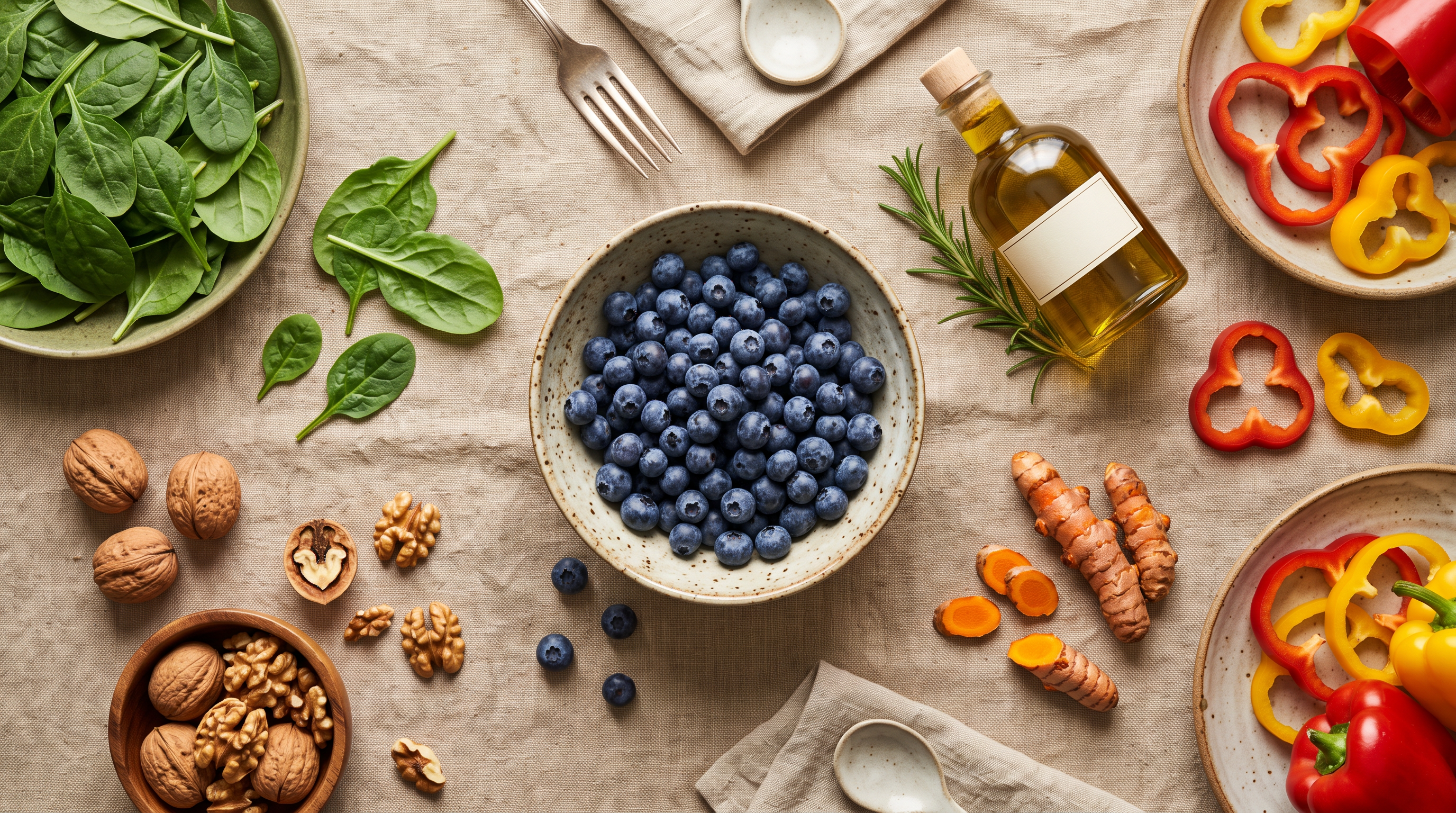
Your Body Was Designed to Heal Itself
For decades, the medical conversation around chronic inflammation has focused almost entirely on suppression: take an anti-inflammatory drug, reduce the immune response, manage the symptoms. But a landmark 2026 study published in Nature Communications by researchers at University College London is reframing the entire question. Chronic inflammation, the science now reveals, is not simply a fire that burns too hot. It is a fire that cannot find its off switch. And that off switch, it turns out, was built into your body all along.
The discovery centers on a family of fat-derived molecules called epoxy-oxylipins, specifically a compound known as 12,13-EpOME. These molecules function as a natural braking system for the immune response, signaling the body to stand down once the threat has passed. When this system works as designed, acute inflammation resolves cleanly. When it fails, the immune system stays in a state of low-grade activation that quietly drives some of the most devastating chronic diseases of our time: rheumatoid arthritis, cardiovascular disease, metabolic dysfunction, and more.
This is not a story about a new drug. It is a story about God's design. The body was fearfully and wonderfully made, and that design includes a built-in capacity to end its own inflammatory response. Understanding how that system works, and how to support it, is one of the most important frontiers in integrative health today.
What the 2026 UCL Study Actually Found
The research, led by Dr. Olivia Bracken and Professor Derek Gilroy at University College London, represents the first human-based evidence mapping the activity of epoxy-oxylipins during the inflammatory cycle. The study was published in Nature Communications and has since been covered by ScienceDaily, News-Medical, and multiple health science outlets.
The experimental design was elegant in its precision. Healthy volunteers received intradermal injections of UV-killed Escherichia coli in the forearm, inducing a controlled, localized inflammatory response. Researchers then administered GSK2256294, a drug that inhibits the enzyme soluble epoxide hydrolase (sEH). This enzyme is responsible for breaking down protective epoxy-oxylipins in the body. By blocking sEH, the researchers effectively elevated levels of 12,13-EpOME and allowed the body's natural braking system to operate at full strength.
The results were striking. Participants in both the prophylactic arm (drug given two hours before inflammation) and the therapeutic arm (drug given four hours after inflammation began) showed:
- Significantly faster pain resolution
- A sharp reduction in intermediate monocytes, both in peripheral blood and at the site of inflammation
- No significant suppression of outward inflammatory markers like redness or swelling, indicating the drug targeted internal immune pathology rather than masking surface symptoms
That last point is critical. Traditional anti-inflammatory drugs, including corticosteroids and NSAIDs, work by broadly suppressing the immune response. They reduce visible symptoms but can leave the body vulnerable to infection and do not address the underlying failure of resolution. The epoxy-oxylipin pathway works differently: it strengthens the body's own resolution mechanism rather than overriding it.
The Molecular Mechanism: How the Brake Works
To understand why this discovery matters, it helps to understand what intermediate monocytes are and why they become a problem.
Monocytes are white blood cells that play a central role in the immune response. During acute inflammation, classical monocytes are recruited to the site of injury or infection, where they help fight pathogens and begin the repair process. Under normal circumstances, these cells transition through an intermediate phase and then resolve. But when the resolution system is impaired, classical monocytes transform into intermediate monocytes at an accelerated rate and accumulate in both the bloodstream and inflamed tissue. These intermediate monocytes are strongly associated with the persistence of chronic inflammation and with the tissue damage that drives conditions like rheumatoid arthritis and atherosclerosis.
The p38 MAPK signaling pathway is the molecular switch that drives this transformation. When p38 MAPK is active, monocytes keep converting into the intermediate form. When it is suppressed, the conversion slows and the inflammatory cycle can begin to resolve.
This is precisely where 12,13-EpOME acts. The molecule suppresses p38 MAPK signaling, effectively telling the immune system: the threat has passed, stand down. When the sEH enzyme degrades epoxy-oxylipins too quickly, this signal is lost, and the immune system stays in a state of activation long after it should have resolved.
The UCL study demonstrated that by protecting epoxy-oxylipins from enzymatic degradation, the body's own resolution signal could be amplified, accelerating the return to immune homeostasis without suppressing the immune system's ability to fight future threats.
Chronic Inflammation as a Failure of Resolution
This research fits within a broader paradigm shift in immunology that has been building for more than a decade. The traditional view of chronic inflammation was that it represented an immune system that was simply too active, too aggressive, too difficult to turn off. The emerging view, supported by a growing body of research on specialized pro-resolving mediators (SPMs), is that chronic inflammation is better understood as a failure of resolution.
The body produces a range of lipid-based molecules, including lipoxins, resolvins, protectins, and maresins, that actively orchestrate the return to homeostasis after an inflammatory event. These molecules do not merely suppress the immune response; they actively promote the clearance of cellular debris, the reprogramming of macrophages from a pro-inflammatory to a pro-resolving state, and the restoration of tissue integrity. When the production or signaling of these molecules is impaired, the resolution phase fails, and acute inflammation transitions into the chronic, low-grade state that underlies so much modern disease.
Epoxy-oxylipins, as identified in the UCL study, represent a newly mapped branch of this resolution network. They are derived from linoleic acid through the cytochrome P450 pathway, a distinct biochemical route from the omega-3-derived resolvins and protectins that have received more research attention. The discovery that this pathway plays a significant role in human inflammatory resolution opens new avenues for both pharmaceutical development and integrative health support.
The Scale of the Problem: Why This Matters
Chronic inflammation is not a niche concern. It is the underlying driver of the most prevalent and costly diseases in the modern world. Rheumatoid arthritis alone affects more than 1.3 million Americans, and people with RA face a 50 to 70 percent higher risk of cardiovascular disease compared to the general population. Meta-analyses have documented a 48 percent increase in cardiovascular disease incidence, a 68 percent increase in myocardial infarction risk, and a 41 percent increase in stroke risk among those with chronic inflammatory conditions.
Beyond autoimmune disease, chronic low-grade inflammation is now recognized as a central mechanism in atherosclerosis, type 2 diabetes, metabolic syndrome, Alzheimer's disease, and several cancers. The failure of the body's resolution system does not produce dramatic symptoms in its early stages. It operates quietly, over years and decades, gradually shifting the body's baseline toward a state of persistent immune activation that erodes health from the inside.
This is why the UCL discovery is significant not just for pharmaceutical researchers but for anyone committed to whole-person health. If chronic inflammation is a resolution failure, then the question is not only how to suppress the immune response but how to support the body's built-in capacity to resolve it.
Supporting Your Body's Natural Resolution System
While the sEH inhibitor GSK2256294 used in the UCL study is a pharmaceutical compound, the research points toward a broader principle: the body's resolution system can be supported or undermined by the choices we make every day. Several well-established integrative health strategies align directly with what the science of resolution pharmacology is revealing.
Omega-3 Fatty Acids and Resolution Mediators
The omega-3 fatty acids EPA and DHA are the precursors to resolvins, protectins, and maresins, the best-studied family of specialized pro-resolving mediators. Multiple clinical trials have demonstrated that omega-3 supplementation increases the production of these resolution molecules, supporting the body's ability to transition from active inflammation to repair. Wild-caught fatty fish, high-quality fish oil, and algae-based omega-3 supplements are the most bioavailable sources.
Linoleic Acid and the Epoxy-Oxylipin Pathway
The epoxy-oxylipins identified in the UCL study are derived from linoleic acid, an omega-6 fatty acid found in whole food sources including walnuts, sunflower seeds, and certain plant oils. The key distinction is between linoleic acid from whole food sources, which supports healthy lipid signaling, and the highly refined, oxidized omega-6 oils found in ultra-processed foods, which promote pro-inflammatory signaling. A diet rich in whole food omega-6 sources alongside adequate omega-3 intake supports a balanced lipid mediator profile.
Anti-Inflammatory Nutrition
The Mediterranean and MIND dietary patterns, both of which emphasize vegetables, fruits, legumes, whole grains, olive oil, and fatty fish, have been consistently associated with lower markers of systemic inflammation, including C-reactive protein and interleukin-6. These diets provide the raw materials for resolution mediator synthesis while limiting the refined carbohydrates, trans fats, and ultra-processed ingredients that drive pro-inflammatory signaling.
Sleep and Glymphatic Clearance
Chronic sleep deprivation is one of the most potent drivers of resolution failure. During deep sleep, the glymphatic system clears inflammatory metabolites from the brain, and the body's repair and resolution processes operate at full capacity. Consistently poor sleep elevates inflammatory cytokines including IL-6 and TNF-alpha, the same mediators that drive intermediate monocyte expansion. Prioritizing seven to nine hours of quality sleep is not a lifestyle luxury; it is a biological requirement for the resolution system to function.
Stress Reduction and HPA Axis Support
Chronic psychological stress activates the HPA axis and sustains elevated cortisol, which in turn drives pro-inflammatory cytokine production and impairs the resolution phase. Practices that support HPA axis regulation, including prayer, contemplative rest, time in nature, and community connection, directly support the body's capacity to resolve inflammation. This is not a soft claim. The psychoneuroimmunology literature is robust: chronic stress measurably impairs immune resolution, and stress reduction measurably supports it.
Targeted Supplementation
Several nutraceuticals have demonstrated support for the resolution phase of inflammation. Curcumin, the active compound in turmeric, has been shown to modulate NF-kB signaling and support macrophage polarization toward a pro-resolving state. Resveratrol, found in grapes and berries, supports the production of lipoxins. Boswellic acids from frankincense resin have demonstrated specific inhibition of 5-lipoxygenase, supporting the resolution of inflammatory signaling. These are not replacements for medical care; they are whole-food and botanical supports for a system God designed to heal.
The Genesis World Health Perspective: Whole-Person Resolution
At Genesis World Health, the science of inflammation resolution fits naturally within the whole-person framework that guides everything we do. The body is not a collection of isolated systems that malfunction independently. It is an integrated, interdependent design, and the failure of the inflammatory resolution system is almost never a single-cause problem.
The GWH Gut Microbiome specialist brings a critical lens to this conversation: the gut microbiome plays a direct role in the production of short-chain fatty acids and lipid mediators that support immune resolution. Dysbiosis, the disruption of healthy microbial balance, impairs the gut's contribution to the resolution network. Addressing gut health is not separate from addressing chronic inflammation; it is central to it.
The GWH Detoxification specialist adds another dimension: environmental toxins, including PFAS compounds, heavy metals, and pesticide residues, have been shown to impair the cytochrome P450 pathways that produce epoxy-oxylipins. Supporting the body's detoxification capacity is, in part, supporting its ability to generate the very molecules the UCL study identified as the natural brake on inflammation.
The GWH Nutrition and Diet specialist can help members identify the specific dietary patterns that support resolution mediator synthesis, moving beyond generic anti-inflammatory advice to personalized nutritional guidance rooted in both the science and the whole-food wisdom of Scripture.
And the GWH Environmental Medicine specialist addresses the upstream drivers: the chronic stressors, toxin exposures, and lifestyle patterns that impair the resolution system before inflammation ever becomes a clinical problem.
"He heals the brokenhearted and binds up their wounds." — Psalm 147:3
The God who designed the body with a built-in capacity to resolve inflammation is the same God who heals. The science of epoxy-oxylipins is not a challenge to faith; it is a confirmation of it. The body was made to heal. Our role, as stewards of the bodies God entrusted to us, is to support that design rather than undermine it.
Chronic inflammation is not a sentence. It is a signal that the resolution system needs support. And that support, as both Scripture and science affirm, is available.
Support Your Body's Natural Healing Design
Genesis World Health brings together specialists in Gut Microbiome health, Detoxification, Nutrition, and Environmental Medicine to help you address the root causes of chronic inflammation from every angle. Your body was designed to resolve and heal. Let us help you support that design.
A Personal Note from Genesis World Health
The information shared in this article is for educational purposes and reflects our commitment to integrating faith, science, and whole-person wellness. It is not a substitute for professional medical advice, diagnosis, or treatment. Every person's health journey is unique — fearfully and wonderfully made — and what works for one may not be right for another.
We encourage you to consult with rheumatologists, integrative medicine physicians, immunologists, and your primary care provider when making significant changes to your approach to managing chronic inflammation and immune health. Our prayer is that this knowledge empowers you to make informed, faith-guided decisions for the body God has entrusted to you.
Sources & References
- Bracken O, Gilroy D, et al. "Epoxy-oxylipins regulate human inflammatory resolution via p38 MAPK suppression of intermediate monocyte expansion." Nature Communications, 2026. https://www.nature.com/articles/s41467-025-67961-5
- Serhan CN, Levy BD. "Resolvins in inflammation: emergence of the pro-resolving superfamily of mediators." Journal of Clinical Investigation, 2018. https://pmc.ncbi.nlm.nih.gov/articles/PMC10290889/
- Fullerton JN, Gilroy DW. "Resolution of inflammation: a new therapeutic frontier." Nature Reviews Drug Discovery, 2016. https://www.nature.com/articles/nri.2015.4
- Avina-Zubieta JA, et al. "Risk of cardiovascular mortality in patients with rheumatoid arthritis: a meta-analysis of observational studies." Arthritis Care & Research, 2008. https://pmc.ncbi.nlm.nih.gov/articles/PMC3890244/
- Perretti M, et al. "Endogenous lipid- and peptide-derived anti-inflammatory pathways generated with glucocorticoid and aspirin treatment activate the lipoxin A4 receptor." Nature Medicine, 2002. https://www.frontiersin.org/journals/cell-and-developmental-biology/articles/10.3389/fcell.2025.1600149/full
- UCL News. "Scientists discover natural brake could stop harmful inflammation." University College London, 2026. https://www.ucl.ac.uk/news/2026/jan/scientists-discover-natural-brake-could-stop-harmful-inflammation