Eat Olive Oil Before Carbs: The 2026 Study on Meal Sequencing, Blood Sugar, and God's Design for Eating
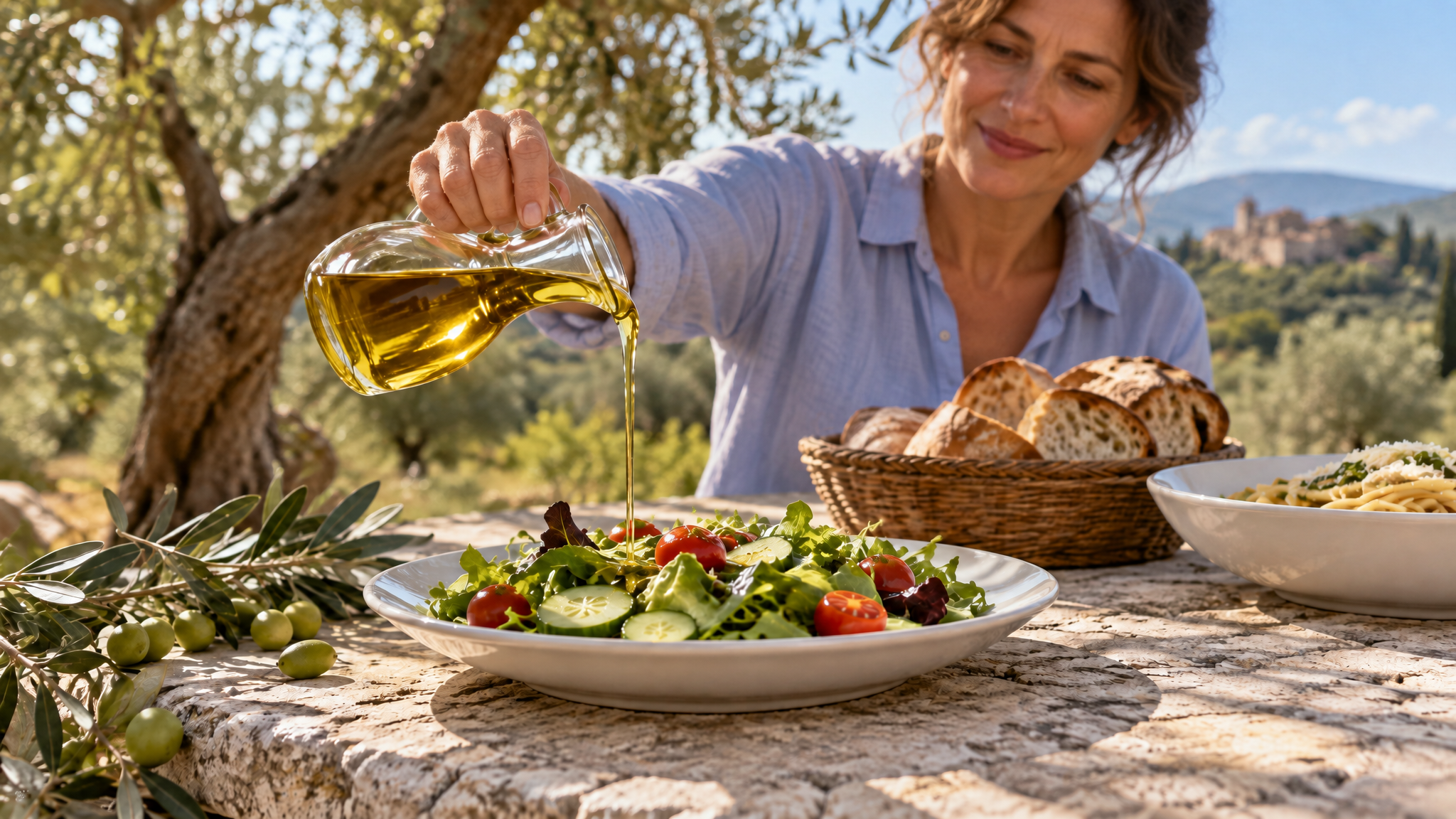
Ancient Wisdom, Modern Science, One Simple Habit
There is a quiet revolution happening at the dinner table, and it begins not with what you eat, but with what you eat first. A 2026 study published in the journal Diabetes by researchers at Kyoto University has confirmed something that ancient Mediterranean cultures and biblical dietary wisdom have long reflected: consuming olive oil before carbohydrates significantly blunts the blood sugar spike that follows a meal. The mechanism is elegant, the implications are profound, and the practice is as simple as drizzling oil before you reach for the bread.
At Genesis World Health, our Nutrition and Diet, and Metabolic Health digital specialists both point to meal sequencing as one of the most underutilized, evidence-backed strategies for blood sugar stewardship. This is not a fad. It is physiology meeting faith, and the science is catching up to what God designed into the foods He gave us.
What the 2026 Kyoto University Study Found
Published in Diabetes (Volume 75, Issue 12, October 2026), the study led by Dr. Daisuke Yabe and colleagues examined what happens when olive oil is consumed fifteen minutes before a carbohydrate load. The results were striking. The olive oil preload significantly reduced early postprandial blood glucose spikes compared to consuming carbohydrates alone or in a different order.
Three interconnected mechanisms drove the effect:
- Delayed gastric emptying. Olive oil slows the rate at which the stomach releases its contents into the small intestine. This means glucose enters the bloodstream more gradually, preventing the sharp spike that follows rapid carbohydrate absorption.
- Hormonal coordination. The fat preload triggered an early release of GLP-1 (glucagon-like peptide-1), GIP, and glucagon. While glucagon is typically associated with raising blood sugar, in this context it worked alongside GLP-1 to moderate glucose levels. The researchers found that blocking either hormone individually did not eliminate the benefit; only blocking both simultaneously negated the effect, suggesting a partially redundant, resilient system.
- Vagus nerve signaling. When researchers ligated the vagus nerve in the experimental models, the glucose-lowering effect disappeared. This confirmed that the gut-brain communication pathway is essential to the mechanism. The body is not simply slowing digestion; it is actively coordinating a whole-system response through the nervous system.
The benefits held even in models with type 2 diabetes and severe insulin deficiency, suggesting the mechanism operates independently of standard insulin sensitivity. This is significant for anyone managing metabolic health challenges.
It is important to note that this study was conducted in animal models, and human clinical trials are the necessary next step. However, the mechanisms identified align closely with existing human research on meal sequencing and fat-first eating patterns, lending biological plausibility to the findings.
What Human Research Already Shows About Food Order
The Kyoto study does not stand alone. A growing body of human clinical research confirms that the sequence in which food is consumed meaningfully shapes the metabolic response to a meal.
A systematic review published in the Clinical Nutrition Research journal found that consuming vegetables or protein-rich foods before carbohydrates significantly reduced postprandial glucose responses and the incremental area under the glucose curve compared to mixed or carbohydrate-first meals. Studies in healthy adults, individuals with prediabetes, and those with type 2 diabetes all showed consistent results: eating fat or fiber before carbohydrates flattens the glucose curve.
Research published in Diabetes Care demonstrated that placing carbohydrates at the end of a meal improved time in range and reduced glycemic variability in people with type 2 diabetes under both controlled and free-living conditions. A separate study in women with gestational diabetes found that a vegetables-first, then protein, then carbohydrates sequence reduced postprandial blood glucose by nearly 6 percent at sixty minutes and lowered serum insulin by over 11 percent at two hours.
The mechanism is consistent across studies: fat and fiber slow gastric emptying, stimulate GLP-1 secretion, and moderate the hormonal cascade that follows carbohydrate absorption. The Kyoto study adds a new layer of precision by isolating olive oil specifically and identifying the vagus nerve as a critical coordinator of the response.
Why Olive Oil Is Not Just Any Fat
Not all fats produce the same effect, and olive oil carries a unique biochemical profile that makes it particularly suited to this role. Extra virgin olive oil is rich in oleic acid, a monounsaturated fatty acid that activates PPAR-alpha receptors involved in lipid metabolism and insulin sensitivity. It also contains a dense array of polyphenols, including hydroxytyrosol, oleuropein, and oleocanthal, which suppress inflammatory pathways, protect pancreatic beta cells from oxidative damage, and stimulate GLP-1 and peptide YY release from gut L-cells.
Research has identified elenolic acid, derived from oleuropein in olive oil, as a direct stimulator of GLP-1 secretion. This means olive oil is not merely slowing digestion mechanically; it is actively signaling the gut-brain axis to prepare the body for incoming glucose. The body responds to olive oil as a metabolic cue, not just a caloric input.
This is why the Mediterranean diet, which places olive oil at the center of every meal, has consistently shown benefits for cardiovascular health, metabolic function, and longevity across decades of research. The Kyoto study helps explain one of the mechanisms behind those population-level benefits.
Genesis World Health's Nutrition and Diet digital specialist can walk you through how to incorporate olive oil strategically into your daily eating patterns, and our Metabolic Health specialist can help you understand how meal sequencing fits into a broader approach to blood sugar stewardship tailored to your specific metabolic picture.
God's Design for How We Eat
Olive oil appears throughout Scripture not as a luxury but as a staple of God's provision. In Deuteronomy 8:8, the Promised Land is described as a land of wheat, barley, vines, fig trees, pomegranates, olive oil, and honey. These were not incidental details. They were the foods God designated as the foundation of a flourishing life.
"There is treasure to be desired and oil in the dwelling of the wise." — Proverbs 21:20
The wise household kept olive oil. It was used for cooking, for anointing, for healing, and for light. James 5:14 instructs elders to anoint the sick with oil as part of the ministry of healing. Psalm 52:8 compares the righteous to a flourishing olive tree in the house of God. The olive tree and its oil were woven into the fabric of covenant life.
What modern science is now revealing is that this provision was not arbitrary. The foods God placed at the center of the biblical diet carry specific biochemical properties that support the body He designed. Olive oil, consumed before carbohydrates, activates the vagus nerve, coordinates hormonal responses, and moderates blood sugar in ways that protect the body from the metabolic damage that follows rapid glucose spikes. This is not coincidence. It is design.
"I am the LORD who heals you." — Exodus 15:26
The healing God promises is not separate from the physical world He created. It is embedded in it, in the foods He gave, in the rhythms He established, in the body He called fearfully and wonderfully made. Meal sequencing is one small expression of honoring that design.
Practical Application: How to Eat Olive Oil Before Carbs
The Kyoto study used a fifteen-minute preload window, meaning olive oil was consumed fifteen minutes before the carbohydrate portion of the meal. In practical terms, this does not require a dramatic restructuring of how you eat. It looks like this:
- Begin your meal with a small salad dressed generously with extra virgin olive oil before moving to bread, rice, pasta, or other carbohydrate-rich foods.
- Dip a small piece of bread in olive oil as a starter, then wait before eating the main carbohydrate portion of the meal.
- Drizzle olive oil over roasted vegetables and eat them first, before grains or starches.
- Use olive oil as the base for a small appetizer of olives, cucumber, or tomato before the main course.
The key is sequencing: fat first, carbohydrates later. The Mediterranean tradition of beginning a meal with olive oil, vegetables, and small bites before the main course reflects this pattern intuitively. Ancient cultures did not have postprandial glucose monitors, but they had generations of observed wisdom about what made people thrive.
Quality matters. Extra virgin olive oil, particularly fresh, early-harvest varieties with higher polyphenol content, provides superior metabolic benefits compared to refined or light olive oils. The polyphenols are what drive much of the GLP-1 stimulation and anti-inflammatory activity. Look for cold-pressed, unfiltered, or early-harvest designations when selecting your oil.
Genesis World Health's Nutrition and Diet specialist can help you build a meal sequencing approach that fits your lifestyle, food preferences, and metabolic goals. Our platform gives you access to evidence-based nutritional guidance grounded in both modern science and the dietary wisdom of Scripture.
Blood Sugar, Inflammation, and the Long Game
The significance of blunting postprandial blood sugar spikes extends well beyond the hour after a meal. Repeated glucose spikes drive glycation, the process by which excess sugar binds to proteins and damages tissues throughout the body. They trigger inflammatory cascades, stress the pancreatic beta cells that produce insulin, and contribute to the progressive metabolic dysfunction that underlies type 2 diabetes, cardiovascular disease, and accelerated aging.
Every meal is an opportunity to either accelerate or slow that process. Meal sequencing, with olive oil before carbohydrates, is one of the simplest, most accessible interventions available. It requires no special equipment, no expensive supplements, and no elimination of foods you love. It requires only a shift in order.
For those already managing blood sugar challenges, this strategy complements rather than replaces medical guidance. The research in type 2 diabetes models is encouraging, but working with qualified providers to integrate meal sequencing into a comprehensive metabolic support approach is the wisest path. Genesis World Health's Metabolic Health digital specialist can help you understand how this fits into your broader health picture.
A Simple Act of Stewardship
The body God gave you is not a passive recipient of whatever you put into it. It is an active, intelligent system that responds to the order, timing, and quality of what you eat. The vagus nerve coordinates signals between your gut and your brain. Hormones like GLP-1 prepare your cells for incoming glucose. Polyphenols in olive oil activate pathways that protect your pancreas and reduce inflammation. All of this happens in the fifteen minutes between your first drizzle of oil and your first bite of bread.
Stewardship of the body is not only about what we avoid. It is about the wisdom we bring to what we embrace. Choosing extra virgin olive oil, eating it first, and honoring the sequence God built into the foods He provided is a small act of faithfulness with measurable physiological consequences.
The science is catching up to the wisdom. The wisdom was always there.
Explore Personalized Nutritional Guidance at Genesis World Health
Our Nutrition and Diet & Metabolic Health digital specialists are ready to help you build a meal sequencing approach grounded in evidence and aligned with God's design for your body. Explore our membership plans and connect with the full Genesis Council today.
A Personal Note from Genesis World Health
The information shared in this article is for educational purposes and reflects our commitment to integrating faith, science, and whole-person wellness. It is not a substitute for professional medical advice, diagnosis, or treatment. Every person's health journey is unique — fearfully and wonderfully made — and what works for one may not be right for another.
We encourage you to consult with registered dietitians, endocrinologists, metabolic health physicians, and your primary care provider when making significant changes to your dietary approach and blood sugar management. Our prayer is that this knowledge empowers you to make informed, faith-guided decisions for the body God has entrusted to you.
Sources & References
- Yabe D, et al. "Olive oil preload blunts early postprandial blood glucose spikes via delayed gastric emptying and vagus nerve-mediated GLP-1 and glucagon coordination." Diabetes. 2026;75(12). https://www.sciencedaily.com/releases/2026/10/261008102700.htm
- Shukla J, et al. "Food Order Has a Significant Impact on Postprandial Glucose and Insulin Levels." Diabetes Care. 2015;38(7):e98-e99. https://diabetesjournals.org/care/article/48/2/e15/157633/
- Kim J, et al. "Effect of meal sequencing on postprandial glucose and insulin responses: a systematic review." Clinical Nutrition Research. 2024. https://www.e-cnr.org/journal/view.php?number=403
- Frontiers in Nutrition. "Meal sequencing and glycemic control in gestational diabetes: a randomized controlled trial." 2024. https://www.frontiersin.org/journals/nutrition/articles/10.3389/fnut.2024.1512231/full
- Gorzynik-Debicka M, et al. "Potential Health Benefits of Olive Oil and Plant Polyphenols." International Journal of Molecular Sciences. 2018;19(3):686. https://www.nature.com/articles/s41598-019-47904-z
- Abuznait AH, et al. "Olive-oil-derived oleocanthal enhances beta-amyloid clearance as a potential neuroprotective mechanism against Alzheimer's disease." ACS Chemical Neuroscience. 2013. https://pmc.ncbi.nlm.nih.gov/articles/PMC7398578/