Qi Gong and Tai Chi: The Ancient Movement Medicine That Heals Inflammation & Calms the Nervous System
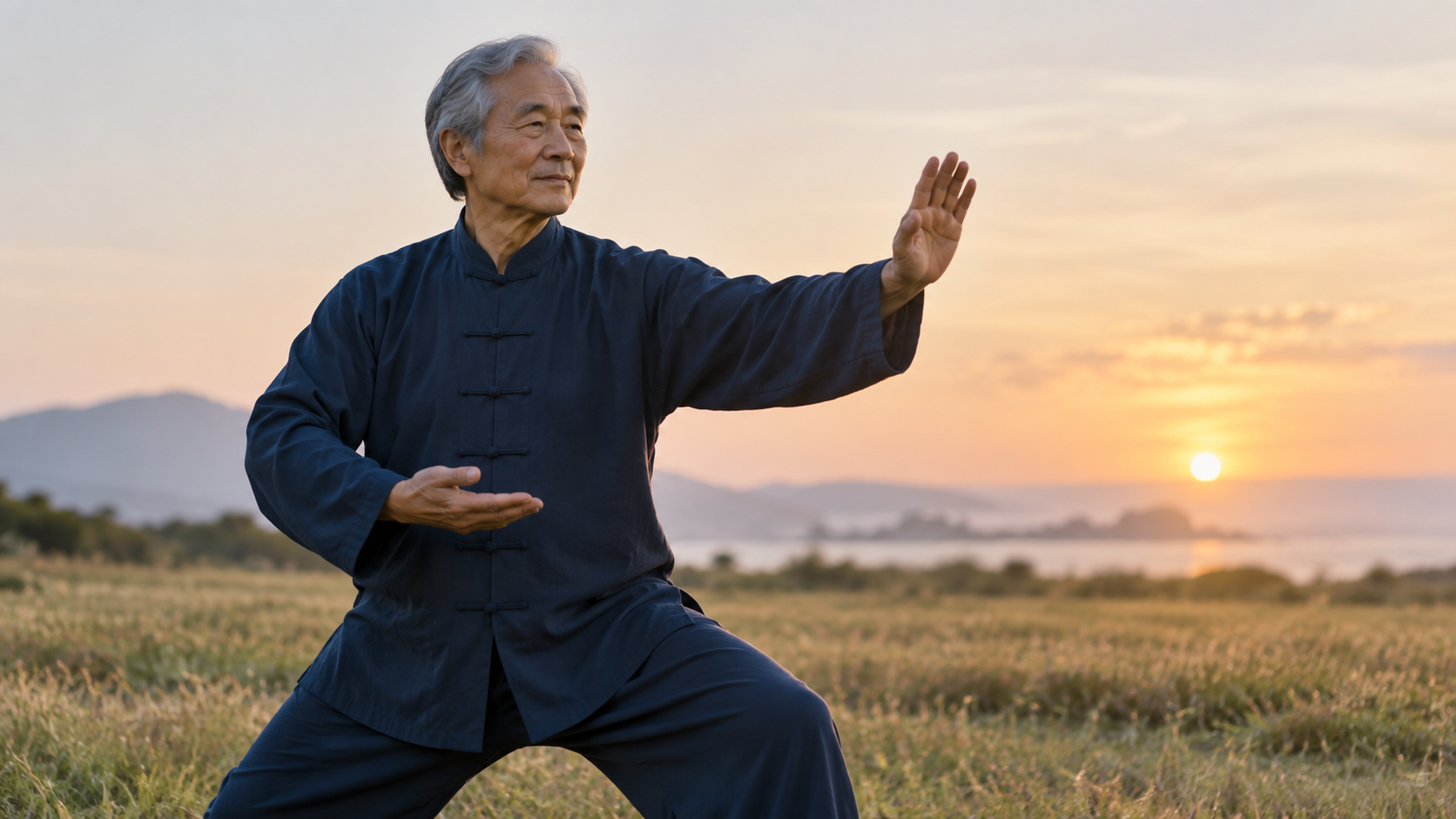
Ancient Movement, Modern Healing
There is a quiet revolution happening in gyms, parks, and rehabilitation centers around the world. It moves slowly, deliberately, and without a single piece of equipment. Qi Gong and Tai Chi, two ancient Chinese movement practices rooted in Traditional Chinese Medicine (TCM), are earning serious attention from researchers, cardiologists, neurologists, and integrative health practitioners alike. The evidence is no longer preliminary. It is compelling, peer-reviewed, and growing. And for those who believe the body is fearfully and wonderfully made, the science of these practices offers a profound confirmation: God designed the human body to heal through intentional, whole-person movement.
This is not a post about mysticism or Eastern spirituality. It is a post about physiology, inflammation, the autonomic nervous system, and the remarkable capacity of slow, mindful movement to restore what chronic stress, sedentary living, and modern disease have disrupted. Genesis World Health's Traditional Chinese Medicine (TCM) specialist and Exercise & Movement specialist both recognize what the research now confirms: Qi Gong and Tai Chi are among the most evidence-supported mind-body practices available to anyone seeking to steward their health with wisdom.
What Are Qi Gong and Tai Chi?
Qi Gong (pronounced "chee gong") is a broad category of coordinated movement, breath control, and meditative focus rooted in TCM. The word itself translates roughly as "life energy cultivation." Practitioners move through slow, flowing sequences designed to regulate the body's internal systems, calm the nervous system, and support the flow of vital energy through the body's meridian pathways.
Tai Chi (Taijiquan) is a specific martial art that evolved from Qi Gong principles. It is characterized by its slow, continuous, circular movements and its emphasis on balance, coordination, and breath. The most widely practiced form, Yang-style Tai Chi, consists of 24 to 108 sequential postures performed in a continuous, meditative flow. While Tai Chi has martial origins, its modern application is almost entirely therapeutic and preventive.
Both practices share a common foundation: the integration of body, breath, and mind in a single, unified movement experience. This integration is precisely what makes them so physiologically powerful.
The Inflammation Connection
Chronic low-grade inflammation is now recognized as a root driver of nearly every major chronic disease, from cardiovascular disease and type 2 diabetes to Alzheimer's and autoimmune conditions. The question researchers have been asking is whether mind-body practices like Tai Chi and Qi Gong can meaningfully reduce inflammatory markers in the body. The answer, increasingly, is yes.
A systematic review and meta-analysis published in the Annals of Palliative Medicine examined the effects of Tai Chi on inflammatory cytokines across multiple randomized controlled trials. The findings showed that Tai Chi consistently reduced tumor necrosis factor-alpha (TNF-alpha), a key inflammatory signaling molecule, both as a standalone intervention and in combination with other approaches. For CRP (C-reactive protein) and IL-6 (interleukin-6), the effects were dose-dependent: studies using higher total exercise volumes, exceeding 2,500 cumulative minutes of practice, showed significant reductions in both markers.
This dose-response relationship matters. It tells us that Qi Gong and Tai Chi are not passive activities. They are active, cumulative interventions that, practiced consistently over weeks and months, produce measurable changes in the body's inflammatory signaling. For anyone managing a chronic inflammatory condition, this is not a small finding.
The American Society of Clinical Oncology (ASCO) has formally recognized the clinical value of these practices, recommending low-to-moderate intensity Qi Gong and Tai Chi for managing cancer-related fatigue during active treatment. When oncologists are recommending a movement practice, the evidence has crossed a meaningful threshold.
The Nervous System: Vagal Tone and the Parasympathetic Shift
One of the most significant physiological effects of Tai Chi and Qi Gong is their impact on the autonomic nervous system. Modern life keeps most people locked in a state of chronic sympathetic activation, the "fight or flight" mode that was designed for short-term threats, not the sustained pressure of deadlines, financial stress, and digital overstimulation. The result is chronically elevated cortisol, suppressed immune function, disrupted sleep, and accelerated aging.
Tai Chi and Qi Gong work directly against this pattern. Their slow, diaphragmatic breathing and meditative movement activate the parasympathetic nervous system, the "rest and restore" branch governed by the vagus nerve. A 2024 systematic review and meta-analysis published in the Journal of Clinical Medicine confirmed that regular Tai Chi practice produces significant improvements in heart rate variability (HRV), the gold-standard measure of vagal tone and autonomic flexibility. Specifically, practitioners showed increased high-frequency (HF) power, the HRV metric most directly associated with parasympathetic dominance, and a more favorable balance between sympathetic and parasympathetic activity.
A 2024 study published in Nature Scientific Reports compared different Tai Chi protocols and found that certain training approaches, particularly those integrating standing postures (Zhan Zhuang), produced lower autonomic load and higher parasympathetic activity during practice. This means practitioners can tailor their approach based on their current stress load and recovery needs.
Higher resting HRV is one of the most reliable biomarkers of cardiovascular health, stress resilience, and longevity. The fact that a movement practice accessible to virtually anyone, regardless of fitness level or age, can measurably improve this marker is significant. Genesis World Health's Exercise & Movement specialist emphasizes that the nervous system is the master regulator of recovery, and any practice that consistently shifts the body toward parasympathetic dominance is a foundational health investment.
Blood Pressure, Cardiovascular Health, and Qi Gong
Hypertension affects nearly half of American adults and is a primary driver of heart disease, stroke, and kidney failure. A comprehensive meta-analysis of 14 randomized controlled trials involving 829 participants, published in PMC (PubMed Central), found that Qi Gong produced a mean reduction of 8.90 mmHg in systolic blood pressure and 5.02 mmHg in diastolic blood pressure compared to no exercise. A separate systematic review using trial sequential analysis reported even more pronounced reductions: 10.66 mmHg systolic and 6.76 mmHg diastolic.
To put those numbers in context: a 10 mmHg reduction in systolic blood pressure is associated with a 20-25% reduction in major cardiovascular events. These are not trivial effects. They are clinically meaningful reductions achievable through a practice that requires no equipment, no gym membership, and no high-impact exertion.
For older adults, individuals with joint limitations, or anyone for whom high-intensity exercise is contraindicated, Qi Gong offers a cardiovascular benefit that would otherwise be difficult to access. This is stewardship of the body in its most practical form.
Cognitive Protection and Brain Health
Perhaps the most exciting frontier in Qi Gong and Tai Chi research is their effect on the aging brain. A 2026 exploratory randomized controlled trial published in Frontiers in Aging Neuroscience examined the effects of a 12-week standardized 24-form Tai Chi program on postmenopausal women with mild cognitive impairment (MCI). The results were striking: participants showed significant improvements in Montreal Cognitive Assessment (MoCA) scores, particularly in delayed recall, visuospatial and executive function, and attention. Neurobiological markers supported the cognitive gains: participants showed increased plasma nitric oxide levels (supporting vascular health), improved endothelin-1 to nitric oxide ratios, and significant reductions in circulating Alzheimer's-related proteins, including T-tau, P-tau, and amyloid-beta 1-42.
A landmark study published in the Annals of Internal Medicine and widely discussed in 2025 and 2026 clinical literature found that "cognitively enhanced" Tai Chi, which integrates mental tasks like spelling words while moving, produced nearly double the cognitive score improvement compared to traditional Tai Chi alone. This dual-task approach also significantly improved dual-task walking performance, a key metric for assessing fall risk and functional cognitive health in aging populations.
The mechanisms are becoming clearer: Tai Chi increases cerebral blood flow, strengthens functional connectivity between the prefrontal cortex and hippocampus, and promotes neuroplasticity. For a generation facing an Alzheimer's epidemic, these findings represent a meaningful, accessible, and low-risk preventive strategy.
Balance, Fall Prevention, and Longevity
Falls are the leading cause of injury-related death among adults over 65. A meta-analysis of randomized controlled trials published in Frontiers in Public Health found that Tai Chi significantly reduces both the risk of falling (Risk Ratio: 0.76) and the total number of falls in older adults. A seminal six-month RCT involving physically inactive adults aged 70 and older found that a three-times-per-week Tai Chi program resulted in a 55% lower risk of multiple falls compared to a stretching control group. These gains were maintained at a six-month post-intervention follow-up.
The mechanisms are straightforward: Tai Chi improves proprioception (the body's sense of its own position in space), strengthens the stabilizing muscles of the ankles, knees, and hips, and trains the nervous system to respond more quickly to balance perturbations. For older adults, this is not a minor quality-of-life improvement. It is a life-preserving intervention.
"Do you not know that your bodies are temples of the Holy Spirit, who is in you, whom you have received from God? You are not your own; you were bought at a price. Therefore honor God with your bodies." — 1 Corinthians 6:19-20
Stewardship of the body is not a passive concept in Scripture. It is an active, ongoing responsibility. Practices that preserve balance, protect the brain, reduce inflammation, and calm the nervous system are not luxuries. They are acts of faithful stewardship of the body God has entrusted to us.
Immune Function and Stress Resilience
Chronic stress is one of the most potent suppressors of immune function. The psychoneuroimmunology research is clear: sustained sympathetic activation reduces natural killer cell activity, suppresses antibody production, and increases susceptibility to infection and disease. Qi Gong addresses this pathway directly.
A systematic review published in PMC found that Qi Gong practice is associated with statistically significant increases in B lymphocytes (the cells responsible for antibody production), monocytes, and natural killer cells. Long-term practitioners consistently demonstrate higher resting HRV and faster recovery times following physical exertion compared to beginners, indicating enhanced vagal tone and immune resilience.
The ASCO recommendation for Qi Gong and Tai Chi during cancer treatment reflects this immune-modulating capacity. When the immune system is under the most severe stress it will ever face, these practices provide measurable support. For the rest of us, they offer a daily investment in the immune resilience that protects against everything from seasonal illness to chronic disease.
How Genesis World Health Supports Your Practice
Genesis World Health's integrative platform brings together the wisdom of Traditional Chinese Medicine and the science of Exercise & Movement in a way that no single specialist or search engine can replicate. The TCM specialist on the Genesis Council understands the meridian-based framework that underlies Qi Gong and Tai Chi, the seasonal rhythms of TCM practice, and how these movement forms interact with the body's organ systems according to classical Chinese medicine theory. The Exercise & Movement specialist brings the evidence-based lens: progressive loading, nervous system recovery, cardiovascular adaptation, and how to integrate mind-body movement into a comprehensive fitness and longevity strategy.
Together, they offer a perspective that honors both the ancient wisdom and the modern science of these practices. Members can explore how Qi Gong fits into their current health picture, which style or form is most appropriate for their age and condition, how to build a consistent practice, and how to combine it with other movement modalities for maximum benefit.
Whether you are managing chronic inflammation, recovering from illness, protecting your aging brain, or simply seeking a sustainable movement practice that honors the whole person, Qi Gong and Tai Chi offer something rare: a practice that is simultaneously ancient and evidence-based, accessible and profound, gentle and genuinely powerful.
Explore Ancient Movement Medicine Inside Genesis World Health
Connect with our Traditional Chinese Medicine and Exercise & Movement specialists to discover how Qi Gong and Tai Chi can be integrated into your whole-person health journey. Your body was designed to move, restore, and heal.
A Personal Note from Genesis World Health
The information shared in this article is for educational purposes and reflects our commitment to integrating faith, science, and whole-person wellness. It is not a substitute for professional medical advice, diagnosis, or treatment. Every person's health journey is unique — fearfully and wonderfully made — and what works for one may not be right for another.
We encourage you to consult with a licensed physical therapist, integrative medicine physician, Traditional Chinese Medicine practitioner, and your primary care provider when making significant changes to your movement and exercise approach. Our prayer is that this knowledge empowers you to make informed, faith-guided decisions for the body God has entrusted to you.
Sources & References
- Zheng G, et al. "Effects of Tai Chi on inflammatory markers in patients with chronic conditions: A systematic review and meta-analysis." Annals of Palliative Medicine. 2022. https://apm.amegroups.org/article/view/75218/html
- Zou L, et al. "Effects of Tai Chi and Qigong on Heart Rate Variability: A Systematic Review and Meta-analysis." Journal of Clinical Medicine. 2024. https://journals.lww.com/hhmi/fulltext/2024/08040/effects_of_tai_chi_and_qigong_on_heart_rate.7.aspx
- Xiong X, et al. "Qigong for hypertension: a systematic review and meta-analysis." PMC / PubMed Central. 2021. https://pmc.ncbi.nlm.nih.gov/articles/PMC8519725/
- Liu Y, et al. "Tai Chi for fall prevention and balance improvement in older adults: a meta-analysis of randomized controlled trials." Frontiers in Public Health. 2023. https://www.frontiersin.org/journals/public-health/articles/10.3389/fpubh.2023.1236050/full
- Wang X, et al. "Tai Chi improves cognitive function and reduces Alzheimer's biomarkers in postmenopausal women with mild cognitive impairment." Frontiers in Aging Neuroscience. 2026. https://www.frontiersin.org/journals/aging-neuroscience/articles/10.3389/fnagi.2026.1880915/full
- Jahnke R, et al. "A comprehensive review of health benefits of Qigong and Tai Chi." PMC / American Journal of Health Promotion. 2010. https://pmc.ncbi.nlm.nih.gov/articles/PMC7579037/