The Science of Gut Health: Your Second Brain
Your Gut: The Foundation of Health
Modern science is revealing what ancient wisdom traditions have known for millennia — the gut is central to our well-being. With over 100 trillion microorganisms residing in your digestive tract, your gut microbiome is essentially a living ecosystem that influences nearly every aspect of your health.
“Do you not know that your bodies are temples of the Holy Spirit, who is in you, whom you have received from God?” — 1 Corinthians 6:19
The Gut-Brain Connection
The enteric nervous system — often called the "second brain" — contains over 500 million neurons and produces approximately 95% of the body's serotonin. This bidirectional communication highway between your gut and brain (the vagus nerve) explains why digestive health so profoundly impacts mood, cognition, and even spiritual clarity.
Key Research Findings
- Serotonin production: 95% is made in the gut, directly impacting mood and emotional regulation
- Immune function: 70-80% of immune cells reside in the gut-associated lymphoid tissue (GALT)
- Inflammation: Dysbiosis (microbial imbalance) triggers systemic inflammation linked to chronic disease
- Nutrient absorption: A healthy microbiome is essential for synthesizing vitamins B12, K2, and folate
Nourishing Your Microbiome
The Genesis 1:29 approach to nutrition emphasizes whole, plant-rich foods that naturally support microbial diversity:
Probiotic-Rich Foods
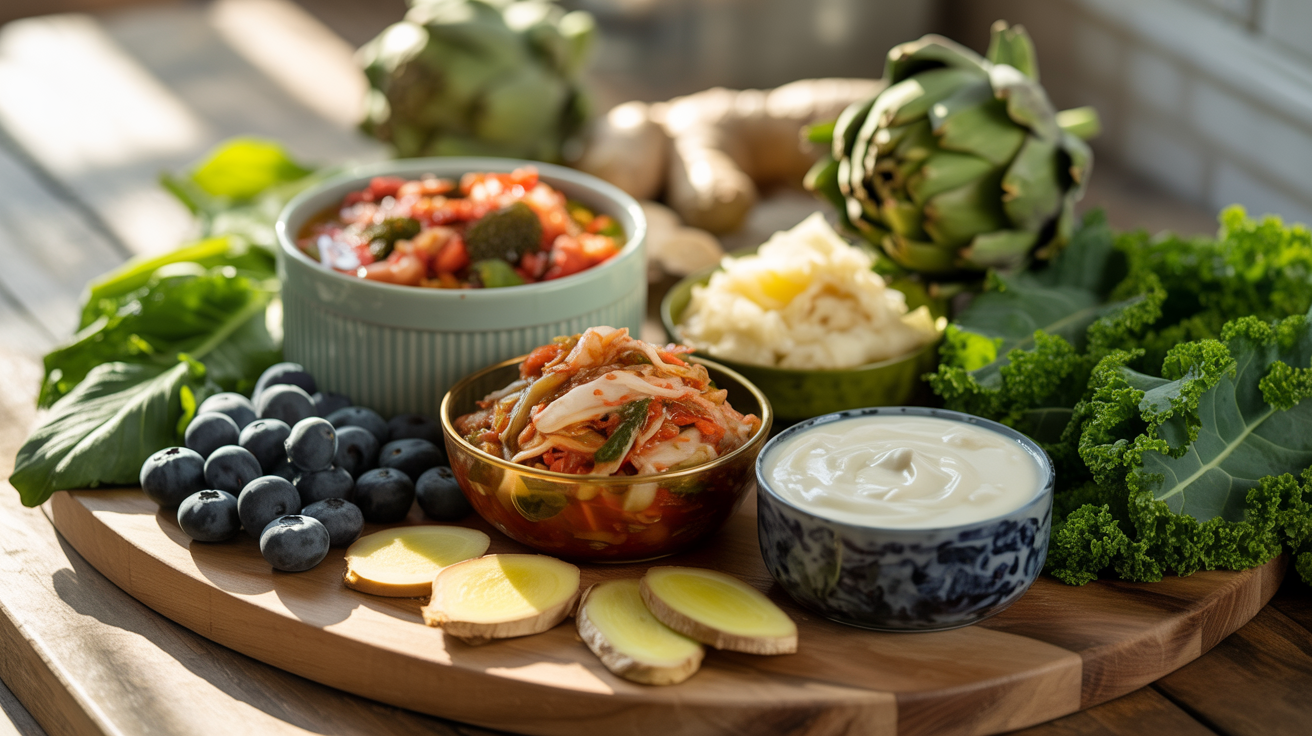
Fermented foods like sauerkraut, kimchi, kefir, and yogurt introduce beneficial bacteria directly into your system. These living cultures help establish and maintain a diverse microbiome.
Prebiotic Fiber
Foods like garlic, onions, asparagus, bananas, and oats feed your beneficial bacteria. Aim for 25-35 grams of fiber daily from diverse plant sources.
Anti-Inflammatory Foods
Omega-3 fatty acids (from wild-caught fish, flaxseed, and walnuts), turmeric, ginger, and polyphenol-rich berries help reduce gut inflammation and support the intestinal barrier.
What Harms Your Gut
Understanding what damages the microbiome is equally important:
- Processed foods and refined sugars feed pathogenic bacteria
- Chronic stress directly alters gut permeability ("leaky gut")
- Unnecessary antibiotics can devastate microbial diversity
- Environmental toxins (pesticides, heavy metals) disrupt the microbiome
A Holistic Approach
True gut healing integrates nutrition, stress management, prayer, and mindful eating. When we honor our bodies as temples, we create the conditions for the microbiome to thrive — and for the whole person to flourish.
Our AI Health Council includes specialized agents in Nutrition, Detoxification, and Clinical Medicine who can provide personalized guidance for your gut health journey.
Ready to Align with Your God-Given Design?
Your body was fearfully and wonderfully made — and Genesis World Health has the tools to honor that design. Our AI Agent Council brings together 60+ specialist agents guided by Honor, Integrity, Authenticity, Do No Harm and Absolute Truth — plus Deep Dive Sessions for focused guidance and a Health Assessment tool to create personalized health insights rooted in both science and faith.
Sources & References
- ...
- ...
- Carabotti, M., et al. (2015). "The gut-brain axis: interactions between enteric microbiota, central and enteric nervous systems." Annals of Gastroenterology, 28(2), 203–209. PubMed Central
- Yano, J.M., et al. (2015). "Indigenous bacteria from the gut microbiota regulate host serotonin biosynthesis." Cell, 161(2), 264–276. DOI
- Vighi, G., et al. (2008). "Allergy and the gastrointestinal system." Clinical & Experimental Immunology, 153(Suppl 1), 3–6. PubMed Central
- Sonnenburg, J.L. & Bäckhed, F. (2016). "Diet–microbiota interactions as moderators of human metabolism." Nature, 535, 56–64. DOI
- Mayer, E.A. (2011). "Gut feelings: the emerging biology of gut–brain communication." Nature Reviews Neuroscience, 12, 453–466. DOI
- Hills, R.D., et al. (2019). "Gut Microbiome: Profound Implications for Diet and Disease." Nutrients, 11(7), 1613. PubMed Central