Telomeres & Longevity: The Science of Slowing Cellular Aging
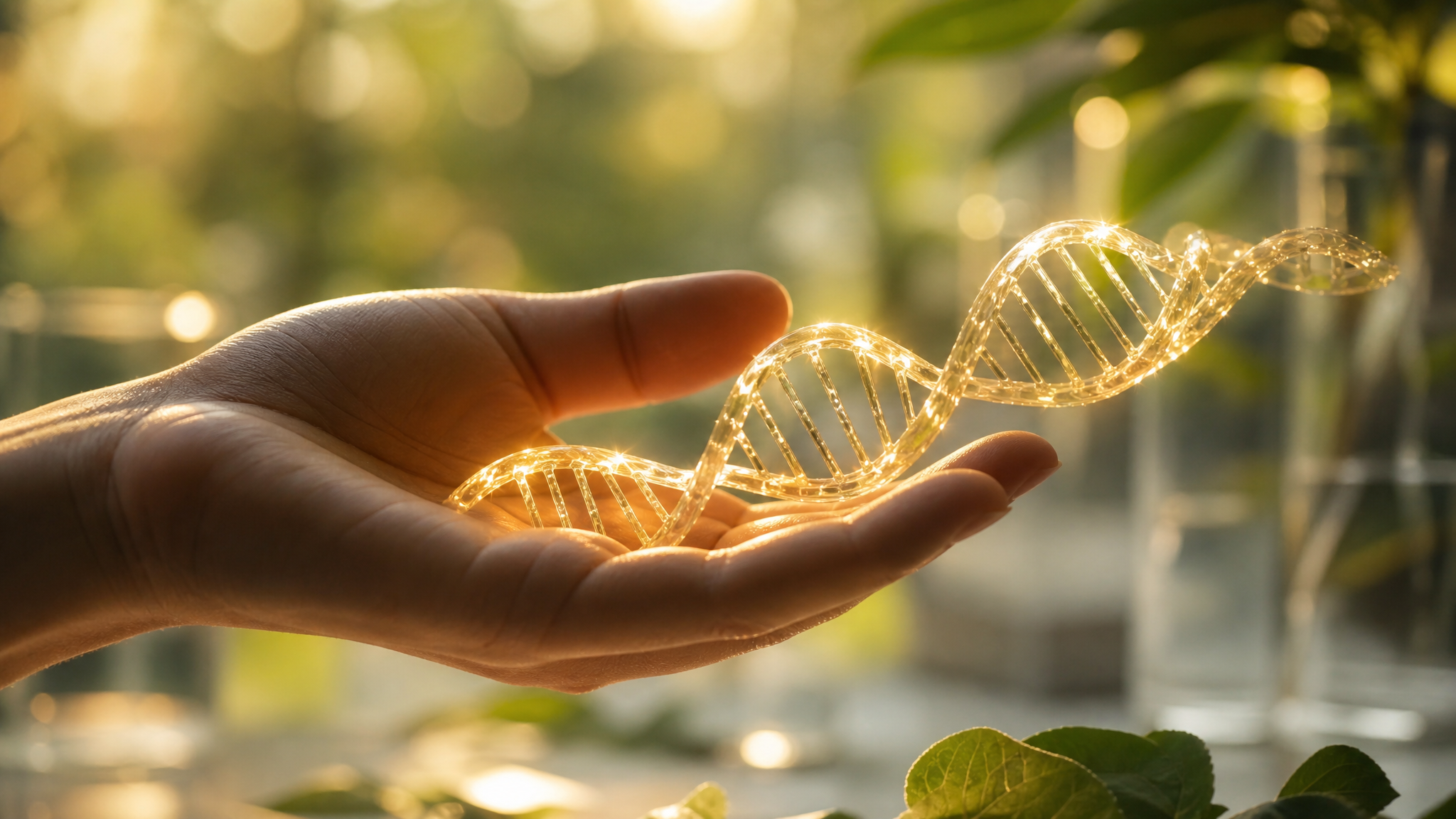
What if the secret to a longer, healthier life was written inside every single cell of your body — not in some distant future technology, but in a structure God designed long before modern science had the tools to see it? That structure is called a telomere, and understanding it may be one of the most profound intersections of faith and science available to us today.
Telomere biology is not just an academic curiosity. It is a window into how our daily choices — what we eat, how we move, how we pray, how we sleep, and how we respond to stress — are literally shaping our biology at the chromosomal level. For those of us who believe our bodies are temples of the Holy Spirit, this science carries a deeply spiritual weight.
What Are Telomeres? God's Molecular Clock
Picture the plastic tips on the ends of a shoelace. Those small caps — called aglets — prevent the lace from fraying and unraveling. Telomeres serve the exact same protective function for your DNA. They are repeating sequences of non-coding genetic material (specifically the sequence TTAGGG) that form protective caps at the ends of each of your 46 chromosomes.
Every time one of your cells divides — to heal a wound, replenish your skin, or sustain your organs — a small portion of the telomere is lost. This is a natural, programmed process. Over a lifetime, this progressive shortening acts as a kind of molecular clock. When telomeres become critically short, the cell can no longer divide safely and enters a state called cellular senescence — essentially, the cell retires from active duty.
While cellular senescence is a protective mechanism against cancer, the accumulation of these retired cells contributes to the tissue dysfunction, inflammation, and organ decline we associate with aging. This is why telomere length is now considered one of the most accurate biomarkers of biological age — which may be very different from your chronological age depending on how you have lived.
"Do you not know that your bodies are temples of the Holy Spirit, who is in you, whom you have received from God? You are not your own; you were bought at a price. Therefore honor God with your bodies." — 1 Corinthians 6:19-20
The science of telomeres gives this ancient instruction a breathtaking molecular dimension. Our stewardship of the body is not merely spiritual metaphor — it is biological reality, encoded in the very structure of our chromosomes.
The Telomerase Enzyme: Your Body's Built-In Repair System
Here is where the story becomes even more remarkable. God did not design us without a repair mechanism. There is an enzyme called telomerase that can actually add the TTAGGG sequence back onto the ends of chromosomes, counteracting the shortening that occurs with each cell division.
Telomerase is highly active during embryonic development — when rapid, precise cell division is essential — but is largely silenced in most adult cells. This silencing is a double-edged sword. It protects us from uncontrolled cell growth (approximately 85–90% of all cancers reactivate telomerase to achieve a form of cellular immortality). But it also means our healthy tissues are subject to age-related shortening over time.
Research into compounds that can gently and safely activate telomerase — such as TA-65, derived from the herb astragalus — represents one of the most exciting frontiers in longevity science. Preclinical studies in animal models are promising, but human evidence remains in its early stages. This delicate balance — too little telomerase accelerates aging, too much risks cancer — reflects the extraordinary precision of God's design.
What Accelerates Telomere Shortening?
Science has identified several key lifestyle factors that cause our biological clock to tick faster than our chronological one. These factors typically work by increasing oxidative stress and chronic inflammation — essentially, cellular rust that erodes our telomeres from the inside out.
- Chronic psychological stress: A large meta-analysis found a statistically significant link between high perceived stress and shorter telomeres, with the effect being strongest in those exposed to major life adversity, long-term caregiving burdens, or childhood trauma.
- Poor dietary patterns: Diets high in processed foods, refined sugars, and inflammatory fats promote the oxidative environment most hostile to telomere integrity.
- Sedentary behavior: Research links prolonged sitting and physical inactivity to accelerated telomere shortening — one study even found that higher screen time in young children was associated with shorter telomeres years later.
- Sleep deprivation: Poor sleep elevates inflammatory markers and disrupts the cellular repair processes that maintain telomere health, adding to the cumulative biological burden.
- Environmental toxin exposure: Pollutants, heavy metals, and endocrine-disrupting chemicals contribute to the body's total oxidative load, driving the cellular damage that shortens telomeres over time.
For those navigating concerns about environmental exposures, the Genesis World Health platform includes a dedicated Detoxification Agent and Environmental Medicine Agent — specialized AI tools that can help you assess your toxic burden and build a personalized detox protocol grounded in both science and whole-person care.
Evidence-Based Strategies to Protect Your Telomeres
The encouraging truth is that we are not passive victims of cellular aging. The same Creator who designed this intricate system has also provided us with powerful, accessible tools to be faithful stewards of it. Here is what the science actually supports:
1. Nourish with a Mediterranean-Style Diet
A dietary pattern rich in fruits, vegetables, whole grains, legumes, nuts, and healthy fats — the Mediterranean diet — is consistently associated with longer telomeres across multiple meta-analyses. A 2020 systematic review confirmed this positive association, particularly in women. The mechanism is clear: these foods are dense in antioxidants and anti-inflammatory polyphenols that directly combat the oxidative stress that damages telomeres.
Practically, this means prioritizing colorful vegetables, extra-virgin olive oil, wild-caught fish, berries, nuts, and legumes — foods that are, notably, well-represented in the healing foods of Scripture. For personalized dietary guidance tailored to your unique health profile, Genesis World Health's AI Nutrition Specialist can help you build a meal framework that supports both telomere health and your broader wellness goals.
2. Move with Purpose and Consistency
Regular physical activity is one of the most potent strategies for telomere maintenance. A 2025 umbrella review and meta-analysis confirmed that exercise has a small-to-moderate positive effect on telomere length and can enhance telomerase activity. The research suggests that combining strength training with endurance exercise may be most effective, and that High-Intensity Interval Training (HIIT) produces significant benefits. Importantly, meaningful effects typically require at least 16 weeks of consistent training.
Our bodies were created for movement — and the science of telomeres gives us yet another reason to honor that design. Genesis World Health's Sports Performance Agent (available to VIP members) can help you design a movement strategy optimized for longevity, recovery, and whole-person vitality.
3. Cultivate Peace Through Prayer and Stress Reduction
Given the strong link between chronic stress and telomere shortening, practices that cultivate genuine inner peace are not merely spiritually beneficial — they are biologically protective. Multiple studies and meta-analyses have found that individuals who practice meditation and mindfulness tend to have longer telomeres and higher telomerase activity. Long-term practitioners show the most robust effects.
For believers, contemplative prayer, Scripture meditation, worship, and Sabbath rest can serve this same function — reducing rumination, improving emotional regulation, and fostering the deep peace that buffers the body from the physiological consequences of chronic stress.
"Cast all your anxiety on him because he cares for you." — 1 Peter 5:7
This is not poetic language. It is a prescription for cellular health. The Genesis World Health AI Agent Council — which brings together Faith & Spirituality, Clinical Medicine, and Stress & Adrenal agents in a coordinated care approach — is specifically designed to address the mind-body-spirit connection that telomere science now confirms is inseparable.
4. Optimize Sleep as a Non-Negotiable
Sleep is when your body performs its most critical cellular repair work. Chronic sleep deprivation elevates cortisol, increases inflammatory cytokines, and disrupts the hormonal environment that supports telomere maintenance. Prioritizing 7–9 hours of quality, consistent sleep is one of the most evidence-supported longevity interventions available — and it costs nothing.
Supplements: Discerning the Evidence
The supplement industry aggressively markets longevity products, but the evidence varies enormously. Here is an honest assessment of what the science actually supports for telomere health:
- Vitamin D3 (2,000 IU daily): The strongest evidence comes from the large VITAL randomized clinical trial, which found that Vitamin D3 supplementation significantly reduced telomere attrition over four years. This is the most robustly supported supplement for telomere protection.
- Coenzyme Q10 + Selenium: Systematic reviews suggest this combination — particularly in older adults who may be selenium-deficient — is among the more consistent nutritional interventions for preventing telomere shortening.
- Omega-3 Fatty Acids: Evidence is mixed. The VITAL trial found no significant effect on telomere length, while smaller trials suggest a potential benefit, possibly related to improving the omega-6 to omega-3 ratio. Worth including for overall cardiovascular and inflammatory benefits.
- Astragalus / TA-65: Promising in animal models, but human evidence remains limited and long-term safety is not yet established. Approach with caution and physician guidance.
- Resveratrol: Despite plausible mechanisms, it lacks large-scale human clinical evidence for telomere protection and is considered overhyped for this specific purpose by many longevity researchers.
For personalized supplement insights based on your health history and specific goals, Genesis World Health's Personalized Product Insights feature — integrated with your care plan — can help you navigate the supplement landscape with evidence-based discernment rather than marketing hype.
A Note on Telomere Testing
Direct-to-consumer telomere testing is now widely available, and while the concept is compelling, consumers should approach it with measured expectations. Telomere length measurement is technically complex, and results can vary significantly between labs and methods. A single test result is a snapshot, not a verdict — it can be influenced by measurement error, time of day, and many other variables.
In specialized clinical settings, telomere testing is a valuable diagnostic tool for rare genetic short-telomere syndromes. For the general healthy population, experts advise against relying heavily on consumer tests to guide health decisions due to a lack of standardization. At best, it is one data point among many in a comprehensive, physician-guided wellness plan — not a standalone diagnostic.
Faithful Stewardship at the Cellular Level
The science of telomeres does not offer an escape from aging — aging is part of the human story, and Scripture does not promise otherwise. But it does offer something equally profound: a detailed molecular confirmation that the timeless principles of faithful stewardship are woven into our very biology.
Nourishing our bodies with whole, God-given foods. Moving with purpose and consistency. Finding our rest and peace in Him. Protecting ourselves from the toxic burdens of a fallen world. These are not merely spiritual disciplines — they are biological imperatives, encoded in the protective caps of every chromosome in your body.
You were fearfully and wonderfully made. The science of telomeres is simply helping us see, in breathtaking molecular detail, just how true that is.
"I praise you because I am fearfully and wonderfully made; your works are wonderful, I know that full well." — Psalm 139:14
🌿 Ready to Steward Your Longevity?
Genesis World Health's AI Nutrition Specialist, Sports Performance Agent, and Personalized Insights work together to help you build a science-backed, faith-centered longevity strategy — tailored to your unique biology, goals, and values.
Medical Disclaimer: As always, we encourage you to work with qualified healthcare providers — including functional medicine physicians, gerontologists, registered dietitians, and your primary care provider — when making significant changes to your cellular aging and longevity strategies. Genesis World Health is an educational platform, not a substitute for professional medical care. Our role is to equip you with knowledge, insight, and the integrative perspective you need to have more informed conversations with your healthcare team.
Sources & References
- Blackburn, E. H., Epel, E. S., & Lin, J. (2015). Human telomere biology: A contributory and interactive factor in aging, disease risks, and protection. Science, 350(6265), 1193–1198. DOI: 10.1126/science.aab3389
- Le, T., et al. (2025). The effects of vitamin D3 and marine n-3 fatty acid supplementation on leukocyte telomere length: an ancillary study of the VITAL randomized clinical trial. The American Journal of Clinical Nutrition. DOI: 10.1016/j.ajcnut.2025.04.020
- Li, Y., et al. (2025). Effect of exercise on telomeres and telomerase in healthy people: An umbrella review and meta-analysis. Frontiers in Physiology. DOI: 10.3389/fphys.2025.1627292
- Canudas, S., et al. (2020). Mediterranean Diet and Telomere Length: A Systematic Review and Meta-Analysis. Advances in Nutrition, 11(6), 1544–1554. DOI: 10.1093/advances/nmaa079
- Mathur, M. B., et al. (2016). Perceived psychological stress and telomere length: A systematic review, meta-analysis, and meta-regression. Brain, Behavior, and Immunity, 54, 158–169. DOI: 10.1016/j.bbi.2016.02.008
- Fernandez-Alvarez, R., & Blasco, M. A. (2023). Mindfulness, meditation, and telomeres: a systematic review and meta-analysis. Mindfulness. DOI: 10.1007/s12671-023-02075-x