The Daniel Fast: Biblical Fasting Science, Spiritual Discipline, and the Metabolic Power of Plant-Based Consecration
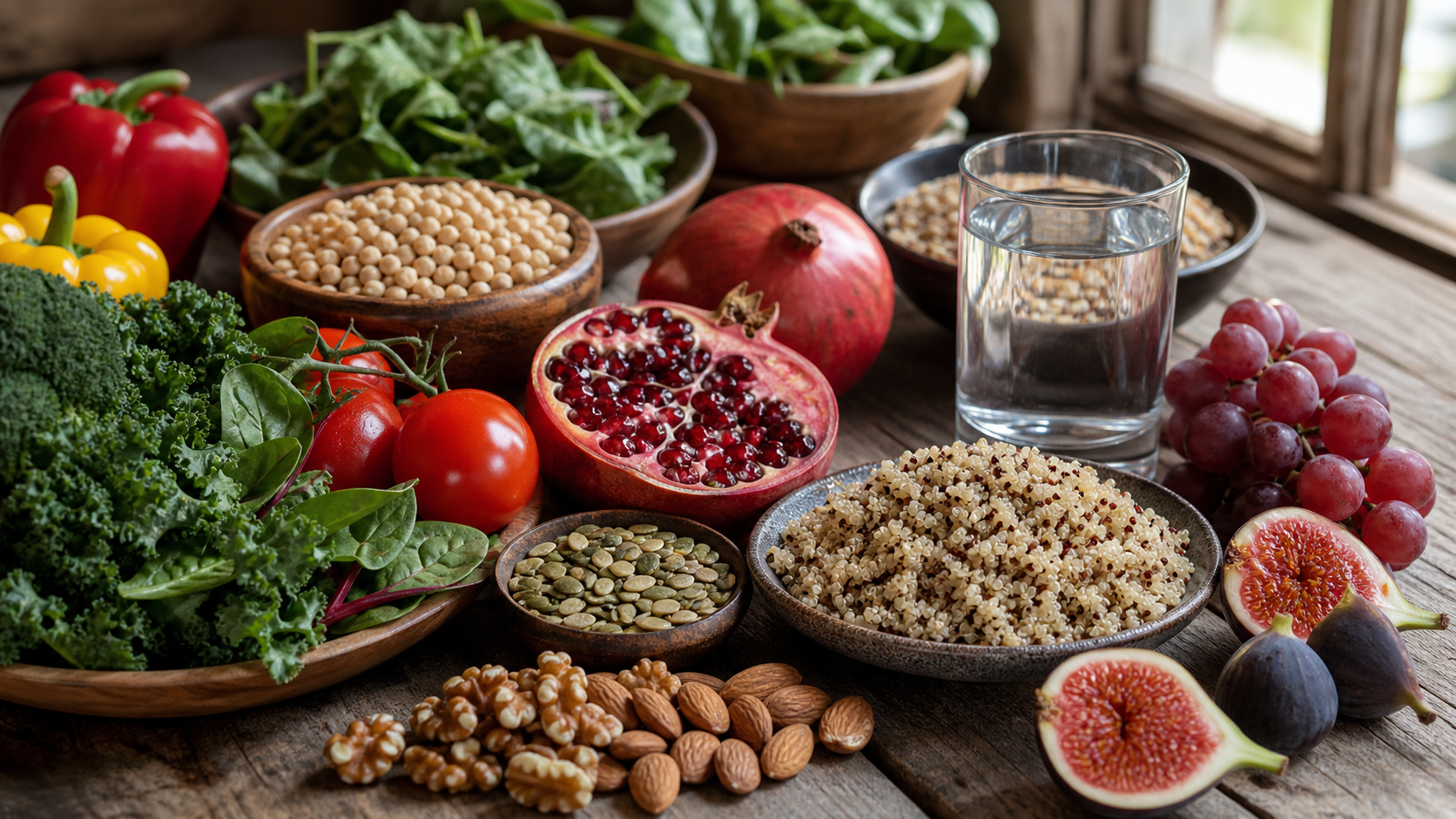
The Daniel Fast: Biblical Fasting Science, Spiritual Discipline, and the Metabolic Power of Plant-Based Consecration
In the first chapter of Daniel, a young man stands before the most powerful empire on earth and makes a quiet, radical choice. Surrounded by the finest food and wine of Babylon's royal court, Daniel resolves not to defile himself. He asks for vegetables and water instead. Ten days later, he and his companions look healthier and better nourished than all the young men who ate the royal food.
Thousands of years later, researchers at the University of Memphis would run clinical trials on this same dietary pattern — and confirm what Daniel already knew. The food we eat is not merely fuel. It is an act of consecration, a statement of allegiance, and a profound influence on the body God designed us to inhabit.
The Daniel Fast is one of the most widely practiced spiritual disciplines in the Christian world, observed by millions of believers each January and throughout the year. But it is also one of the most scientifically validated faith-based dietary interventions in the peer-reviewed literature. This article explores both dimensions — the biblical theology of fasting as worship, and the modern metabolic science that confirms its power to transform the body from the inside out.
The Biblical Foundation: Two Accounts, One Discipline
The modern Daniel Fast draws from two distinct passages in the Book of Daniel, each with its own context and spiritual purpose.
Daniel 1:8–16 — The Ten-Day Test
When Nebuchadnezzar conquered Jerusalem and brought the brightest young men of Israel to Babylon, he intended to assimilate them into Babylonian culture — beginning with the royal diet. Daniel, Hananiah, Mishael, and Azariah refused. Their refusal was not about nutrition; it was about covenant loyalty. Eating the king's food would have meant participating in food offered to Babylonian idols and violating the dietary laws of their faith.
"But Daniel resolved not to defile himself with the royal food and wine, and he asked the chief official for permission not to defile himself this way." — Daniel 1:8
Daniel proposed a ten-day test: vegetables (the Hebrew word zeroa, meaning seeds, pulses, and plant foods) and water only. The result was striking — at the end of ten days, they looked healthier and better nourished than any of the young men who ate the royal food. God honored their faithfulness with physical vitality and extraordinary wisdom.
Daniel 10:2–3 — The Twenty-One Day Mourning Fast
The second account, in Daniel 10, describes a more extended period of consecrated eating. Daniel mourned for three full weeks — twenty-one days — during which he ate no pleasant food, no meat, and drank no wine. This was not a dietary experiment. It was an act of intercession, a posture of humility before God as Daniel sought understanding of a profound prophetic vision.
"At that time I, Daniel, mourned for three weeks. I ate no choice food; no meat or wine touched my lips; and I used no lotions at all until the three weeks were over." — Daniel 10:2–3
The twenty-one day duration from Daniel 10 has become the standard for the modern Daniel Fast. The spiritual intent is clear: this is not a weight-loss program or a detox cleanse. It is a form of consecration — setting oneself apart, quieting the appetites of the flesh, and creating space for God to speak.
What the Daniel Fast Actually Looks Like
The modern Daniel Fast follows a whole-food, plant-based dietary framework derived from the biblical accounts. While there is no single authoritative list, the consensus guidelines are consistent across faith communities and research studies.
Foods Included
- Vegetables: All vegetables — fresh, frozen, or dried — including leafy greens, root vegetables, cruciferous vegetables, and alliums
- Fruits: All fruits — fresh, frozen, or dried (without added sugar)
- Whole grains: Brown rice, oats, quinoa, barley, millet, whole wheat, and other unrefined grains
- Legumes: All beans, lentils, chickpeas, and peas
- Nuts and seeds: All nuts and seeds, including nut butters without additives
- Oils: Small amounts of plant-based oils (olive oil, coconut oil)
- Water: The primary beverage — herbal teas are often permitted
Foods Excluded
- All animal products: meat, poultry, fish, dairy, and eggs
- All sweeteners: sugar, honey, syrups, artificial sweeteners
- Leavened bread and baked goods
- Processed and refined foods
- Deep-fried foods
- Caffeine and alcohol
- Preservatives, additives, and artificial flavors
The result is a dietary pattern that is, in nutritional terms, a whole-food plant-based diet — one of the most extensively studied dietary frameworks in modern nutrition science. But the Daniel Fast adds something no clinical trial can fully measure: the dimension of spiritual intention.
The Science: What Peer-Reviewed Research Found
The most rigorous clinical research on the Daniel Fast comes from Dr. Richard J. Bloomer and colleagues at the University of Memphis, who conducted a series of controlled studies on the fast's metabolic effects. Their findings, published in peer-reviewed journals including Lipids in Health and Disease and Nutrition Journal, provide compelling evidence for the fast's physiological benefits.
Cardiovascular Markers
Across multiple studies, participants completing a 21-day Daniel Fast showed significant reductions in both systolic and diastolic blood pressure. Total cholesterol dropped substantially — in one study, from an average of 171 mg/dL to 139 mg/dL. LDL cholesterol (the primary driver of cardiovascular risk) fell from approximately 98 mg/dL to 76 mg/dL. These are clinically meaningful reductions achieved in just three weeks, without caloric restriction instructions.
Insulin Sensitivity and Blood Sugar
Fasting blood glucose, fasting insulin levels, and HOMA-IR (a validated measure of insulin resistance) all improved significantly during the Daniel Fast. This is particularly significant given the epidemic of insulin resistance and metabolic dysfunction in the modern world. The elimination of refined sugars, processed carbohydrates, and animal fats — combined with the high fiber content of whole plant foods — creates a metabolic environment that allows insulin sensitivity to recover.
Inflammation and Oxidative Stress
C-reactive protein (CRP), a primary marker of systemic inflammation, decreased from 3.1 mg/L to 1.6 mg/L in one study — a nearly 50% reduction. Markers of oxidative stress, including malondialdehyde (MDA) and hydrogen peroxide, also declined, while antioxidant capacity improved. This anti-inflammatory effect is consistent with what we know about plant-rich diets: the phytonutrients, polyphenols, and antioxidants in fruits, vegetables, and legumes actively combat the chronic low-grade inflammation that underlies most modern chronic disease.
Weight and Body Composition
Participants typically lost an average of 5–6 pounds over the 21-day fast, without being instructed to restrict calories. This natural caloric reduction occurs because whole plant foods are nutrient-dense but less calorically concentrated than the processed foods, animal products, and refined carbohydrates they replace. The body, given clean fuel, tends to self-regulate.
Mental Clarity and Spiritual Well-Being
Beyond the measurable biomarkers, participants in Daniel Fast studies consistently report improvements in mental clarity, energy levels, and subjective well-being. This aligns with what we know about the gut-brain axis: a diet rich in fiber and phytonutrients supports a diverse, healthy microbiome, which in turn influences neurotransmitter production, mood regulation, and cognitive function. A 2024 review in Microbial Physiology confirmed that food-restricted fasting supports gut microbiome diversity and promotes biomarkers associated with longevity.
The Theology of Fasting: Why the Spiritual Dimension Matters
It would be a mistake to reduce the Daniel Fast to a plant-based diet with a biblical name. The spiritual architecture of the fast is not incidental — it is the foundation. The physical benefits are, in a sense, a byproduct of the primary purpose: drawing near to God.
Biblical fasting is consistently associated with three spiritual postures: humility, intercession, and consecration. Daniel's fast in chapter 10 was an act of mourning and seeking — he was pressing into God for understanding, creating space through physical discipline for spiritual receptivity. The body's appetites were quieted so the spirit could be amplified.
"Is not this the kind of fasting I have chosen: to loose the chains of injustice and untie the cords of the yoke, to set the oppressed free and break every yoke?" — Isaiah 58:6
Scripture consistently frames fasting not as self-punishment but as reorientation — a turning of the whole person toward God. When we fast, we are declaring, in the most visceral way possible, that we do not live by bread alone. We are practicing dependence. We are creating hunger — physical hunger that becomes a reminder of our deeper spiritual hunger for God's presence and guidance.
This is why the Daniel Fast, practiced with genuine spiritual intention, tends to produce not just physical transformation but spiritual breakthrough. The discipline of the body becomes a doorway for the spirit.
Food as Stewardship: The GWH Perspective
At Genesis World Health, we hold a foundational conviction: the body is not a machine to be optimized — it is a temple, fearfully and wonderfully made, entrusted to our stewardship.
"Do you not know that your bodies are temples of the Holy Spirit, who is in you, whom you have received from God? You are not your own; you were bought at a price. Therefore honor God with your bodies." — 1 Corinthians 6:19–20
The Daniel Fast embodies this theology in the most practical way. Every meal becomes an act of worship. Every choice to reach for a vegetable instead of a processed food is a small declaration of stewardship. The fast trains us to see food not as entertainment or comfort, but as the raw material from which God builds and sustains the body He designed.
This is not legalism. It is not about earning God's favor through dietary purity. It is about aligning our physical practices with our spiritual convictions — honoring the Creator by caring for His creation, including the body He gave us.
Practical Implementation: Your 21-Day Daniel Fast
If you are considering the Daniel Fast, here is a practical framework for a meaningful and sustainable 21-day experience.
Before You Begin
- Set your spiritual intention: Write down why you are fasting. What are you seeking? What are you consecrating this time to God for? Keep this visible throughout the fast.
- Plan your meals: The most common reason people abandon the fast is not spiritual weakness — it is being unprepared at mealtime. Stock your kitchen with Daniel Fast staples before day one.
- Taper caffeine: If you consume coffee or caffeinated beverages, reduce gradually in the week before the fast to minimize withdrawal headaches.
- Consult your healthcare provider: If you have diabetes, are pregnant, or have other health conditions, speak with your doctor before beginning.
Daily Rhythm
- Morning: Begin each day with prayer and Scripture before eating. The physical hunger of the morning becomes a prompt for spiritual seeking.
- Meals: Build meals around a foundation of vegetables, legumes, and whole grains. Add nuts and seeds for healthy fats and satiety. Fresh fruit makes an excellent snack or dessert.
- Hydration: Drink water generously throughout the day. Herbal teas (without sweeteners) are a warming, comforting addition.
- Evening: Use the time you might have spent preparing or consuming more elaborate meals for prayer, journaling, or Scripture reading.
Sample Day on the Daniel Fast
- Breakfast: Steel-cut oats with fresh berries, walnuts, and a sprinkle of cinnamon
- Lunch: Large salad with mixed greens, chickpeas, cucumber, tomatoes, avocado, and olive oil and lemon dressing; a piece of whole fruit
- Dinner: Lentil soup with root vegetables and herbs; brown rice; steamed broccoli
- Snacks: Apple with almond butter; raw vegetables with hummus; a small handful of mixed nuts
Managing the First Few Days
The first 48–72 hours of the Daniel Fast are often the most challenging, particularly for those accustomed to caffeine, sugar, and processed foods. Headaches, fatigue, and irritability are common as the body adjusts. These symptoms are temporary — they are signs of the body clearing accumulated metabolic debris. Most participants report a significant shift in energy and clarity by days 4–7.
Lean into the discomfort spiritually. Physical hunger and the discomfort of withdrawal are powerful reminders of our dependence — on food, on comfort, on the things of this world. Let them redirect you to prayer.
The Daniel Fast and GWH's Integrative Approach
The Daniel Fast exemplifies what Genesis World Health calls the integration of ancient wisdom and modern science. The biblical account in Daniel 1 is not a dietary recommendation — it is a story of covenant faithfulness. But the metabolic science confirms what the text implies: the body thrives on whole, unprocessed plant foods. Ancient wisdom and modern research arrive at the same conclusion by different paths.
GWH's Biblical Medicine framework honors this convergence. We believe that Scripture, rightly understood, contains profound wisdom about the body, health, and the relationship between physical and spiritual well-being. The Daniel Fast is one of the clearest examples of this integration — a spiritual discipline that also happens to be one of the most effective short-term metabolic interventions in the clinical literature.
Our AI Agent Council integrates perspectives from nutrition science, functional medicine, and faith-based wellness to provide personalized health insights that honor the whole person — body, mind, and spirit. Whether you are preparing for a Daniel Fast, seeking to understand the nutritional science behind plant-based eating, or exploring how faith and health intersect, the Council brings together multiple specialist perspectives to support your journey.
For those who want to go deeper on the nutritional science of the Daniel Fast — understanding the specific phytonutrients in the foods Daniel ate, how to optimize protein intake on a plant-based fast, or how to support your body through the transition — our Deep Dive Sessions offer focused, one-on-one exploration with specialist agents including our Nutrition specialist and Faith & Spiritual Wellness agent.
You can also explore our Learn page for additional resources on biblical nutrition, fasting science, and integrative wellness, and visit our Five Gates principles to understand the values that guide everything we do at Genesis World Health.
"So whether you eat or drink or whatever you do, do it all for the glory of God." — 1 Corinthians 10:31
Ready to Align with Your God-Given Design?
Whether you are preparing for a Daniel Fast or exploring the intersection of faith and nutrition, GWH's AI Agent Council brings together Nutrition, Faith & Spiritual Wellness, and Functional Medicine specialists to provide personalized health insights rooted in both Scripture and science. Discover how consecrated eating can transform your body and deepen your walk with God.
Medical Disclaimer: As always, we encourage you to work with qualified healthcare providers — including registered dietitians, pastoral care providers, integrative medicine physicians, and your primary care provider — when making significant changes to your biblical fasting and metabolic health. Genesis World Health is an educational platform, not a substitute for professional medical care. Our role is to equip you with knowledge, insight, and the integrative perspective you need to have more informed conversations with your healthcare team.
Sources & References
- Bloomer RJ et al. — Daniel Fast Improves Cardiometabolic Biomarkers in Men and Women (PubMed Central)
- Bloomer RJ et al. — Both a Traditional and Modified Daniel Fast Improve the Cardio-Metabolic Profile in Men and Women (Lipids in Health and Disease)
- Bloomer RJ et al. — Daniel Fast Reduces Oxidative Stress and Improves Antioxidant Capacity (Nutrition Journal)
- Kahn Longevity Center — The Daniel Fast: 21 Days to Better Metabolic Health
- T. Colin Campbell Center for Nutrition Studies — Daniel Fast: Applying Wholistic Nutrition